
Metal Music – Discover the Powerful World of Heavy Metal
What Exactly is Metal?
The Term Metal
The term Metal refers to a music style characterized by its powerful sounds, fast rhythms, and often aggressive expression. Originally, the term was used to describe a particular style within rock music characterized by hard guitar riffs and a strong rhythm section.
Over time, Metal Music has developed into an independent genre that encompasses numerous subgenres and styles. The term "Metal" is not only a musical designation but also stands for an entire culture and way of life that is closely connected to the music.
What Does Metal Mean in English?
The word "Metal" comes from English and literally means "metal". This designation was chosen because the music is often perceived as "hard" and "powerful" – similar to the material metal. The sound aesthetic of Metal Music is robust, loud, and intense, which fits well with the image of metal as a hard, resilient material.
Moreover, "Metal" in English also symbolically stands for strength, hardness, and unbendingness. These characteristics are reflected in the lyrics, performance, and image of many Metal Bands and shape the genre to this day, drawing influences from blues and hardcore traditions.
What is Metal Music? / How Does It Sound?
Metal Music is characterized by a combination of distorted electric guitars, driving drum rhythms, and often powerful vocals. The songs are usually energetic and can contain both fast, aggressive passages and melodic sections. Complex guitar solos and a strong bass are also typical, making the sound full and present.
Depending on the subgenre, the sound varies greatly: While Heavy Metal is often powerful and catchy, subgenres like Death Metal or Black Metal can be rather dark, fast, and technically demanding. Overall, however, Metal Music is always characterized by high intensity and expressive power.
Emotional Aspects of Metal
Many listeners of Metal Music appreciate the genre because of its emotional depth and the opportunity to express intense feelings such as anger, sadness, or freedom. The lyrics often deal with topics such as rebellion, personal struggles, social grievances, or fantasy stories.
The emotional power of Metal also arises from the combination of music and performance, which is often very passionate and authentic. For many fans, Metal is more than just music – it is a form of identification and an outlet for strong emotions.
History & Development of Metal Music
- The Early Days (1960s-1970s): The roots of Metal Music lie in the late 1960s and early 1970s. Bands like Led Zeppelin, Black Sabbath, and Deep Purple are considered pioneers who laid the foundation for the genre. They combined hard Rock elements with bluesy riffs and dark lyrics, which opened up a new, powerful sound world.
- Heavy Metal Establishes Itself: These early bands influenced numerous musicians and laid the foundation for the emergence of Heavy Metal as an independent genre. The music became louder, more aggressive, and technically more demanding, which enabled the development of further subgenres.
- The Golden 1980s: The 1980s were a decisive phase for Metal Music. In this decade, many well-known subgenres emerged, such as Thrash Metal, Power Metal, and Death Metal. Bands like Metallica, Iron Maiden, and Slayer shaped the scene and achieved worldwide fame.
- Diversification in the 1990s: In the 1990s, there was further diversification: The subgenre Nu Metal gained popularity by combining Metal with Hip-Hop, Alternative, and other styles. At the same time, the underground scene developed further with Black Metal and other extreme variants.
- Regional Centers: Metal Music developed worldwide, with different regions producing their own styles and characteristics. In the USA, for example, aggressive Thrash Metal emerged, while in Great Britain traditional Heavy Metal dominated. Scandinavia became particularly known for Black Metal.
- German Metal Scene: Germany, Japan, and other countries also contribute to the diversity of the Metal scene with their own bands and styles. German bands like Accept, Scorpions, or later Rammstein have made important contributions to international Metal culture.
- Cross-Genre Influences: Metal Music did not emerge in isolation but is in close exchange with other music styles. Blues, Rock 'n' Roll, and Psychedelic Rock significantly influenced the early Metal bands. At the same time, Metal itself has influenced many other genres, such as Hardcore Punk or modern electronic music.
The best artists for your event
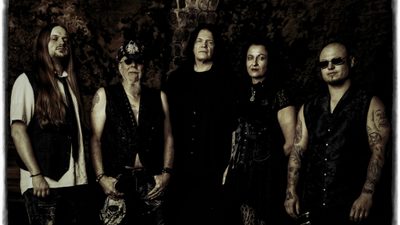
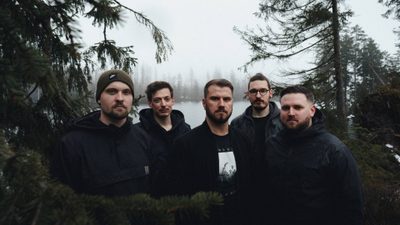
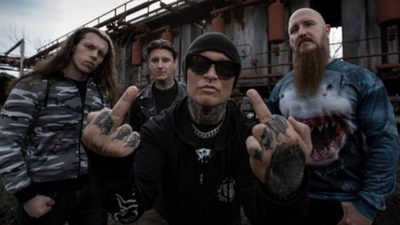
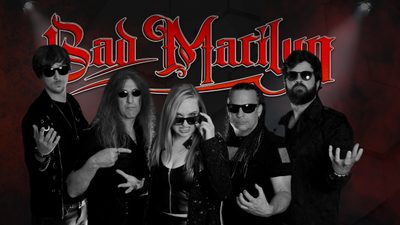

Booking the perfect artist for your event in 3 easy steps


Variants & Subgenres of Metal Music
- Thrash Metal: Thrash Metal is a fast and aggressive subgenre that emerged in the 1980s. Characteristic are fast guitar riffs, precise drumming, and often political or socially critical lyrics. Bands like Metallica, Slayer, and Megadeth are among the best-known representatives. Thrash Metal combines the raw energy of Punk with the technical virtuosity of Metal.
- Nu Metal: The subgenre Nu Metal emerged in the 1990s and combines elements of Metal with Hip-Hop, Alternative Rock, and electronic sounds. It is characterized by catchy rhythms, rap-like vocals, and often personal, emotional lyrics. Bands like Linkin Park, Korn, and Limp Bizkit shaped the genre and brought Metal closer to a broader audience.
- Power Metal: Power Metal is a melodic subgenre characterized by fast tempos, clear vocal lines, and often epic, fantasy lyrics. The music is technically demanding and places great emphasis on harmony and melody. Well-known bands like Helloween and Blind Guardian have popularized this style.
- Death Metal & Black Metal: Death Metal and Black Metal represent the more extreme sides of Metal. Death Metal focuses on technical complexity and brutal sounds, while Black Metal often emphasizes dark, atmospheric elements and anti-establishment themes.
- Progressive Metal: Progressive Metal combines the hardness of Metal with the complex structures and experimental approaches of Progressive Rock. Bands like Dream Theater and Tool are leading representatives of this demanding subgenre.
- Metalcore & Crossover: Metalcore merges Metal with Hardcore Punk, while other crossover styles combine Metal with Funk, Jazz, or other genres.
- Stylistic Diversity: The variety of Metal Types shows how multifaceted the genre is. Each subgenre brings its own musical characteristics, themes, and moods, which makes Metal Music attractive to a broad audience. This diversity allows artists to express their creativity and reach different listeners.
Famous Metal Musicians, Singers and Bands
- Ronnie James Dio: One of the most influential Metal Musicians is Ronnie James Dio, known for his powerful voice and his work with bands like Rainbow, Black Sabbath, and his own band Dio. He shaped the classic Heavy Metal vocal style and is a legend within the scene.
- James Hetfield (Metallica): James Hetfield, frontman and guitarist of Metallica, is considered one of the most important representatives of Thrash Metal and has made Metal popular worldwide with his band. Hetfield's rough vocals and distinctive guitar playing are characteristic of many Metal Songs and have inspired generations of musicians.
- Legendary Metal Bands: In addition to Metallica, bands like Iron Maiden, Black Sabbath, Judas Priest, and Slayer are among the best-known well-known metal bands. These groups have shaped the genre and produced numerous Metal Classics that enjoy cult status to this day.
- Genre Diversity: Each of these bands has developed its own style that reflects the diversity of Metal Music. They are still active today and influence new generations of Metal fans with connections to Rock, Punk and Hardcore.
- Modern Metal Acts: In addition to the big names, there are many other significant artists and bands that have made important contributions to the development of Metal Music. These include, for example, Opeth, Nightwish, Megadeth, or Slipknot, which represent various subgenres and incorporate influences from Jazz, Classical and Alternative.
- Living Scene: This diversity shows that Metal is a living and constantly evolving genre that always produces new talents and creative ideas while maintaining connections to related genres like Blues and Funk.
Why a Metal Band is a Good Choice
A metal band delivers one of the most intense live experiences in the field of live music. Heavily distorted guitars with precise riffs, a voluminous bass, powerful and often technically demanding drums, and a lead vocal that — depending on the subgenre — switches between melodic singing and a rawer screaming technique: the sound is consistently designed for maximum impact. That is precisely what makes a metal band so indispensable for events with the right focus.
For organizers, metal is the right choice for concerts, metal and rock festivals, club festivals, alternative clubs, themed events, tribute shows, larger open airs or clearly defined private celebrations where the audience actively expects the style. Outside this context, metal is rarely the right choice — the volume and musical heaviness are not made for every occasion. But in the right setting, a professional metal band creates an incomparable concert experience that is happily remembered for a long time.
Metal is internally very varied: classic heavy metal, power metal, thrash, melodic death, doom, symphonic metal — the musical effect differs considerably. On connactz you will find metal bands all across Germany — audio samples and live videos are especially valuable here, since the subgenres differ greatly.
Metal Today – Modern Bands, Singers & Media
- Modern Artists & Innovation: Today's Metal scene is more diverse than ever. Modern artists combine traditional elements with new sounds and technologies. Singers like Myles Kennedy or bands like Ghost bring fresh wind to Metal Music and expand the audience through influences from Alternative and Rock.
- Genre-Fusion & Experiments: Moreover, many musicians experiment with electronic elements or merge Metal with other genres like Jazz, Funk or Classical to create innovative sound experiences. Thus, Metal remains relevant and exciting in the 21st century.
- European Metal Centers: Europe remains a center of Metal Music. Countries like Sweden, Norway, and Germany have a vibrant scene with numerous festivals, clubs, and bands. These scenes also have connections to related genres like Hardcore and Punk.
- Worldwide Metal Communities: There are also strong Metal communities worldwide, such as in the USA, Brazil, or Japan. This international networking promotes exchange and further development of the genre. Many bands tour globally and thus reach a worldwide audience, often incorporating elements from Blues and Rock.
- Digital Revolution & Streaming: The distribution of Metal has expanded enormously through streaming services like Spotify and platforms like YouTube. Fans worldwide can access a huge selection of Metal Songs and albums and discover new bands.
- Community & Online Platforms: YouTube also enables sharing of live concerts, tutorials, and interviews, which strengthens the community and facilitates access to Metal Music. Thus, the genre remains alive and accessible for new generations of fans.
Metal for Events & Booking a Metal Band
Weddings
Even for weddings, a Metal Band offers an extraordinary way to shape the special day. Whether as a surprise for the couple or as a musical highlight for the guests – Metal creates mood and unforgettable moments.
Many bands adapt their repertoire to the event and play both classical and modern pieces to thrill a broad target group.
Corporate Events / Galas
Corporate events and galas gain dynamism and energy through booking a Metal Band. The powerful music creates a special atmosphere and promotes communication among guests.
Professional Metal bands are experienced in adapting their program to the needs of the event and ensure a varied and captivating experience.
Festivals / Summer Festivals
Metal Festivals are a fixed part of music culture and attract thousands of fans annually. For smaller summer festivals or open-air events, a metal band is also a popular choice to thrill the audience and heat up the mood.
The variety of Metal Types makes it possible to find the right program for every event – from melodic to extreme.
How to Book a Metal Band
Booking a Metal Band is usually done through specialized agencies or directly through the bands. It is important to clarify dates early and discuss the desired lineup as well as the repertoire.
Additionally, technical requirements and stage conditions should be clarified to ensure a smooth process. This guarantees your event will be a complete success.
Costs & Planning for a Metal Band
Price Factors
The costs for a Metal Band vary depending on fame, lineup, duration of the performance, and technical effort. Larger bands with extensive technology charge higher fees than smaller local groups.
Travel costs and special requirements can also affect the price. A precise agreement in advance helps avoid unpleasant surprises.
Budget Examples
For smaller events and local Metal Bands, costs can start from a few hundred euros. Professional bands with greater fame often charge several thousand euros for a performance.
It is worth obtaining various quotes and carefully comparing the services to find the best price-performance ratio.
Band vs. DJ
Compared to a DJ, a live Metal Band offers a more intense and authentic experience. The interaction with the audience and the energy of the musicians create a special atmosphere that a DJ can hardly achieve.
However, bands are often more expensive and require more space and technology. The decision therefore depends on the event type and budget.
Looking for live music for your event?
Describe your event in a few minutes — matching artists will get back to you. Free & non-binding.
Popular searches for Metal
Smaller line-ups are popular too, such as Metal Band.
)
)
)