
Jazz – The Fascinating World of Jazz Music and Culture
What Exactly is Jazz?
- The Term Jazz: The term jazz refers to a revolutionary music style that emerged in the USA at the beginning of the 20th century. Originally controversial, this term eventually established itself as the designation for one of the most influential musical forms in history. Jazz today stands as a synonym for improvisation, rhythmic diversity, and musical freedom that has inspired countless artists across all genres.
- Musical Characteristics: Jazz is distinguished by its complex harmonies, characteristic swing rhythm, and strong emphasis on individual musical interpretation. The genre typically features sophisticated chord progressions, syncopated rhythms, and the revolutionary concept of collective improvisation that allows musicians to create spontaneous musical conversations.
- Etymology and Origins: The term itself likely derives from the vibrant slang of African American musicians in New Orleans, becoming widely popular in the first half of the 20th century. This linguistic evolution mirrors the genre's own development from underground musical expression to worldwide cultural phenomenon.
- What Does Jazz Mean in English? In English, jazz encompasses a music style that masterfully combines elements from Blues, Ragtime, and African rhythms. The term also describes a particular type of energy or mood associated with liveliness, dynamics, and spontaneous creativity that extends beyond music into general culture.
- Historical Context: Originally, the word 'jazz' in American slang carried connotations of vitality and energy before becoming the definitive musical designation. Today, jazz stands worldwide as one of the most influential and creatively rich music styles, having shaped virtually every modern genre from Rock to Hip-Hop.
- Sound Characteristics: Jazz music creates a distinctive sound world characterized by improvisation, complex harmonies, and the iconic swing rhythm. Typical instrumentation includes saxophone, trumpet, drums, double bass, and piano, though the genre continuously evolves to incorporate diverse instruments and electronic elements.
- Musical Flexibility: Musicians employ spontaneous improvisations to give their performances deeply personal touches, creating unique musical experiences that can never be exactly repeated. This element of spontaneity and musical conversation makes every jazz performance a singular artistic event.
- Stylistic Range: The sound spectrum ranges from gentle, contemplative melodic lines to energetic, rhythmically complex passages that challenge both performers and listeners. Various jazz substyles like Bebop, swing, and cool jazz each bring distinct timbres and emotional expressions to the broader jazz family.
- Emotional Depth: Emotions occupy a central role in jazz, with the music serving as a vehicle for expressing joy, melancholy, passion, and freedom. Through improvisation, musicians can communicate their feelings immediately and intensely, creating profound connections with audiences across cultural and linguistic boundaries.
- Cultural Impact: The combination of rhythm, melody, and harmony creates atmospheric experiences that invite both contemplative listening and physical movement. Jazz dance exemplifies how the genre's emotional power expresses itself through physical movement, influencing everything from Broadway to contemporary dance forms.
- Cross-Genre Influence: Jazz has profoundly influenced numerous other musical styles including Funk, Soul, Fusion, and even Electronic music, while simultaneously incorporating elements from Latin, African, and Classical traditions.
History & Development of Jazz Music
- African American Roots: The history of jazz begins in the vibrant African American communities of the southern United States, particularly in New Orleans, around 1900. In this cultural melting pot, African rhythmic traditions, European harmonic structures, and blues elements merged to create an entirely revolutionary musical form that would change the world of music forever.
- Cultural Fusion: African American musicians brought their rich musical heritage, including call-and-response vocal traditions, complex polyrhythmic patterns, and the art of improvisation. These profound cultural elements combined with European march and dance music forms, creating the foundational building blocks for what would become New Orleans jazz.
- The Jazz Age - 1920s Revolution: The 1920s are universally celebrated as the 'Jazz Age', during which this revolutionary style gained massive popularity throughout the USA and spread across the globe. This era saw jazz emerge from local entertainment to a defining cultural force that influenced fashion, dance, literature, and social attitudes.
- Big Band Era - 1930s and 1940s: The swing era of the 1930s and 1940s brought the magnificent sounds of big bands, with legendary figures like Duke Ellington and Count Basie creating orchestral jazz experiences that filled dance halls and concert venues. These large ensembles demonstrated jazz's capacity for both intimate expression and grand musical statements.
- Bebop Revolution - 1940s Innovation: The 1940s witnessed the emergence of bebop, a more complex and faster form of jazz that emphasized technical virtuosity and harmonic sophistication. Pioneering musicians like Charlie Parker and Miles Davis pushed the boundaries of musical expression, creating a more intellectually challenging and artistically ambitious form of jazz.
- Post-War Evolution - 1950s onwards: From the 1950s, jazz continued its dynamic evolution with the development of subgenres such as cool jazz, hard bop, and free jazz. Each movement reflected changing social and cultural contexts while expanding the artistic possibilities of improvised music.
- Fusion Era - 1970s Innovation: The 1970s brought jazz fusion, an exciting merger of jazz with Rock, Funk, and Soul. This period demonstrated jazz's remarkable adaptability and willingness to embrace new sounds and technologies while maintaining its core improvisational spirit.
- Regional Jazz Centers: Beyond New Orleans, other cities became crucial jazz centers, each developing distinctive regional characteristics. Chicago jazz emphasized stronger solo improvisations, while Kansas City became renowned for its swing and Blues influences, creating a rich tapestry of regional jazz styles.
- Global Expansion: Over time, jazz spread worldwide and was enthusiastically adopted and creatively developed by various cultures. European jazz scenes integrated elements of local musical traditions, creating new forms like Scandinavian jazz and gypsy jazz that enriched the global jazz community.
- Contemporary Evolution: Modern jazz continues to evolve by incorporating elements from diverse genres including Electronic music, World Music, and Experimental sounds, proving that jazz remains a living, breathing art form that constantly reinvents itself.
- Cross-Genre Influence: Jazz has profoundly influenced numerous musical styles including Rock, Pop, Funk, and Soul, while simultaneously integrating elements from these genres to create exciting new variations like jazz fusion and smooth jazz.
- Cultural Legacy: The development of jazz remains closely intertwined with social and cultural changes, serving as both a reflection of and influence on American society and global culture. The genre continues to embody principles of creative freedom, cultural dialogue, and artistic innovation that resonate across generations.
The best artists for your event




Booking the perfect artist for your event in 3 easy steps


Variants & Subgenres of Jazz Music
- New Orleans Jazz - The Original Form: New Orleans jazz represents the foundational form of jazz music, emerging from the vibrant African American communities of New Orleans in the early 1900s. This style is characterized by collective improvisation, powerful rhythmic foundations, and the prominent use of brass instruments including trumpet, clarinet, and trombone that create its distinctive celebratory sound.
- Traditional Elements: New Orleans jazz features lively, infectious melodies and draws from diverse musical influences including Blues, Ragtime, and marching band traditions. This foundational style established the template for countless subsequent jazz developments and remains beloved by audiences worldwide.
- Bebop - The Intellectual Revolution: Bebop emerged in the 1940s as a dramatically more complex and virtuosic form of jazz, characterized by lightning-fast tempos, sophisticated harmonic progressions, and extended improvisational passages. Pioneering musicians like Charlie Parker and Dizzy Gillespie spearheaded this revolutionary movement that transformed jazz from entertainment music to high art.
- Bebop Innovation: Unlike the dance-oriented swing era, bebop was crafted for serious listening and musical appreciation, appealing to audiences who valued groundbreaking musical innovation and technical excellence. This style emphasizes technical challenges and artistic freedom, establishing jazz as a sophisticated art form deserving academic study.
- Cool Jazz - The Refined Response: Cool jazz developed as an elegant countermovement to the intense energy of bebop, featuring relaxed, melodic lines and creating more contemplative, atmospheric musical experiences. Legendary artists like Miles Davis and Chet Baker became the defining voices of this sophisticated style that emphasized subtlety over technical fireworks.
- Cool Jazz Characteristics: This style employs gentle harmonic textures and emphasizes the natural flow of musical phrases, creating relaxed and elegant moods that appealed to broader audiences. Cool jazz significantly influenced many subsequent musicians and played a crucial role in popularizing jazz during the 1950s cultural boom.
- Swing - The Dance Era: Swing dominated the 1930s and 1940s with its infectious rhythmic drive and big band arrangements that filled dance halls across America. This style featured prominent rhythm sections, call-and-response patterns between brass and reed sections, and an irresistible groove that made jazz the popular music of its era.
- Hard Bop - The Soulful Evolution: Hard bop emerged in the 1950s as a reaction against cool jazz, reintroducing the emotional intensity and Blues influences that some felt cool jazz had minimized. This style incorporated elements from Gospel, R&B, and blues to create a more soulful and rhythmically driving form of jazz.
- Free Jazz - The Experimental Frontier: Free jazz pushed the boundaries of conventional musical structure, abandoning traditional harmonic progressions and rhythmic patterns in favor of pure improvisational expression. Pioneered by artists like Ornette Coleman and John Coltrane, this avant-garde approach challenged listeners and expanded the possibilities of musical expression.
- Latin Jazz - The Global Fusion: Latin jazz represents the exciting fusion of traditional jazz with Latin American rhythms, incorporating elements from salsa, bossa nova, and other World Music traditions. This subgenre demonstrates jazz's remarkable ability to absorb and transform diverse cultural influences into something entirely new.
- Smooth Jazz - The Contemporary Appeal: Smooth jazz emerged in the 1970s and 1980s, featuring polished production, accessible melodies, and elements from R&B and Pop music. While sometimes criticized by purists, smooth jazz introduced jazz to new audiences and remains popular in contemporary settings.
- Subgenre Influence and Innovation: The remarkable diversity of jazz subgenres demonstrates the genre's extraordinary adaptability and creative potential. Each substyle contributes unique musical ideas and forms of expression that keep jazz vibrant, relevant, and constantly evolving to meet contemporary musical and cultural needs.
Famous Jazz Musicians, Singers and Bands
- Louis Armstrong - The Jazz Ambassador: Louis Armstrong stands as one of the most revolutionary pioneers of jazz, whose virtuoso trumpet playing and instantly recognizable gravelly voice fundamentally shaped the development of the entire genre. His profound influence spans from the earliest New Orleans jazz through to modern interpretations, establishing him as jazz's first international superstar.
- Armstrong's Timeless Legacy: His iconic recordings including 'What a Wonderful World', 'Stardust', and 'Hello, Dolly!' remain beloved classics that continue to introduce new generations to jazz worldwide. Armstrong's music masterfully combines technical brilliance with deep emotional expression, creating performances that remain as moving today as when first recorded.
- Miles Davis - The Constant Innovator: Miles Davis embodied the spirit of jazz innovation as a trumpeter, bandleader, and composer who co-created and shaped multiple jazz styles including bebop, cool jazz, hard bop, modal jazz, and jazz fusion. His legendary albums such as 'Kind of Blue', 'Bitches Brew', and 'Birth of the Cool' are considered essential milestones in jazz history.
- Davis's Revolutionary Spirit: Davis was renowned for his relentless experimental approach and his extraordinary ability to push musical boundaries while maintaining artistic integrity. He discovered and mentored numerous other jazz legends, including John Coltrane, Bill Evans, and Herbie Hancock, creating a musical legacy that extends far beyond his own performances.
- John Coltrane - The Spiritual Seeker: John Coltrane revolutionized jazz through his intense spiritual approach to music and his technical mastery of the saxophone. His explorations of modal jazz and free jazz, particularly in albums like 'A Love Supreme' and 'Giant Steps', demonstrated how jazz could serve as both entertainment and profound spiritual expression.
- Ella Fitzgerald - The First Lady of Song: Ella Fitzgerald's incredible vocal range, perfect pitch, and masterful scat singing made her one of the most beloved jazz vocalists of all time. Her interpretations of the Great American Songbook and collaborations with jazz legends like Duke Ellington and Count Basie set the gold standard for jazz vocal performance.
- Duke Ellington - The Sophisticated Composer: Duke Ellington elevated jazz through his sophisticated compositions and innovative big band arrangements that treated jazz as serious art music. His orchestra became a laboratory for musical experimentation, producing classics like 'Take Five', 'Caravan', and 'Mood Indigo' that showcase jazz's potential for complex, orchestrated beauty.
- Charlie Parker - The Bebop Revolutionary: Charlie 'Bird' Parker transformed jazz through his lightning-fast bebop improvisations and harmonic innovations that influenced countless musicians across multiple genres. His compositions like 'Ornithology' and 'Ko Ko' established new standards for jazz complexity and artistic ambition.
- Legendary Big Bands and Ensembles: Magnificent big bands led by Duke Ellington, Count Basie, and Benny Goodman dominated the swing era with their extensive instrumentation and complex arrangements that thrilled audiences in dance halls, theaters, and concert venues across America and beyond.
- Contemporary Jazz Leaders: Modern jazz continues to flourish through innovative artists like Contemporary Jazz pioneers who blend traditional elements with influences from Hip-Hop, Electronic music, and World Music to create exciting new musical possibilities.
- International Jazz Voices: Jazz has become a truly global art form with outstanding artists from Europe, Asia, South America, and Africa contributing their unique cultural perspectives to the ongoing evolution of jazz expression. Artists like Hiromi Uehara, Esperanza Spalding, and GoGo Penguin represent the international future of jazz.
- Living Jazz Tradition: Today's jazz scene remains vibrant and diverse, featuring both masters who preserve traditional styles and innovators who push the genre into uncharted territories. The world of jazz continues to attract passionate musicians and devoted audiences who appreciate music that combines technical excellence with emotional depth and creative freedom.
Why a Jazz Band is a Good Choice
A jazz band brings a special sound world to every event: improvised, lively, cultivated. Unlike pure pop or rock bands, jazz musicians put instrumental skill, ensemble playing and live interaction with the audience to the fore. That makes a jazz band the ideal choice when you want to create a refined but unobtrusive atmosphere — at the wedding reception, at the dinner of a gala, or as a stylish backdrop for a vernissage or corporate event.
The genre offers enormous versatility: from the classic swing standard in the style of "Fly Me to the Moon" or "My Funny Valentine" through bossa nova and Latin jazz to modern soul jazz or funk-oriented acts in the style of Brad Mehldau, Diana Krall or Esperanza Spalding. Many jazz bands also master popular songs in jazz arrangements — Beatles, pop or soul classics in a swing guise are often the secret highlights of the evening.
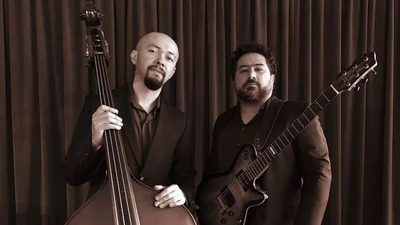
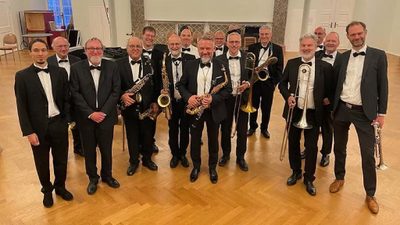
On connactz you will find jazz bands all across Germany — from the intimate piano-bass-drums trio through quartets with a singer to seven- or eight-piece big band formations. Compare audio samples and references and agree the programme directly with the band.
Jazz Today – Modern Bands, Singers & Media
- Contemporary Jazz Evolution: Modern jazz musicians brilliantly combine traditional foundational elements with cutting-edge contemporary influences from Funk, Soul, Rock, and Electronic music. Groundbreaking artists like Kamasi Washington, Robert Glasper, and Esperanza Spalding bring fresh innovative energy to the scene while attracting diverse new audiences from different musical backgrounds.
- Global Jazz Renaissance: European, Asian, and other international musicians actively experiment with genre-crossing fusions, continuously expanding jazz's creative boundaries while respecting its historical foundations. These global perspectives enrich the jazz tradition by incorporating diverse cultural elements from World Music, Latin, and African musical traditions.
- Improvisation as Living Art: The cornerstone of improvisation remains the vital element that keeps jazz eternally fresh, relevant, and spiritually alive. This spontaneous musical creativity ensures that every performance becomes a unique artistic experience that cannot be replicated, maintaining jazz's position as one of music's most dynamic art forms.
- Jazz Education and Innovation: Leading music institutions worldwide continue to nurture new generations of jazz artists who master traditional techniques while fearlessly exploring innovative musical territories. Schools like Berklee College of Music, Juilliard, and the New School produce graduates who balance respect for jazz heritage with bold creative experimentation.
- International Jazz Centers: Jazz thrives as a truly global musical language with vibrant creative centers throughout Europe, the USA, Asia, and beyond. Cities like Berlin, Paris, Tokyo, Copenhagen, and New York maintain thriving jazz scenes featuring numerous world-class clubs, prestigious festivals, and innovative ensembles that attract both artists and audiences worldwide.
- Digital Age Access: Revolutionary streaming platforms, jazz-focused YouTube channels, and digital distribution have made jazz more universally accessible than ever before. Music lovers can now easily explore legendary historical recordings alongside cutting-edge new releases and intimate live performance documentation from around the globe.
- Cross-Pollination with Modern Genres: Contemporary jazz continues to evolve through creative cross-pollination with Hip-Hop, Neo-Soul, Experimental music, and various Fusion styles, creating exciting hybrid genres that speak to younger generations while maintaining jazz's essential improvisational spirit.
- Festival Culture Renaissance: Major international jazz festivals from Newport and Monterey to Montreux and North Sea Jazz create essential cultural gathering spaces where established masters and emerging talents share stages, fostering musical dialogue and artistic collaboration that drives the genre forward.
- Women in Jazz Leadership: The contemporary jazz scene celebrates increasingly prominent female leadership, with artists like Kamasi Washington, Terri Lyne Carrington, and Maria Schneider breaking barriers and bringing fresh perspectives to composition, performance, and bandleading roles traditionally dominated by men.
- Technology and Tradition Integration: Modern jazz artists skillfully integrate cutting-edge technology with timeless acoustic traditions, using digital tools for composition, recording, and live performance while preserving the human elements of improvisation and musical conversation that define authentic jazz expression.
Jazz for Events & Booking a Jazz Band
Weddings
For weddings, a jazz band is an elegant and atmospheric choice. The music creates a romantic atmosphere and provides entertainment during the reception or dinner.
Many couples choose classic jazz standards or smooth jazz that fits well into the flow of the day and thrills the guests.
Corporate Events / Galas
At corporate events and galas, a jazz band creates a professional yet relaxed mood. The music is versatile and can range from subtle background to captivating solos depending on the occasion.
Jazz conveys elegance and creativity – values that are particularly appreciated at business events.
Festivals / Summer Festivals
Jazz concerts and summer festivals offer the perfect stage for diverse jazz formations. From traditional big bands to modern combos, there is something for every taste.
The open atmosphere of such events invites dancing and celebrating together and shows the vibrant diversity of the genre.
How to Book a Jazz Band
The easiest way is to compare jazz bands directly on connactz. Many professional bands offer online presentations and audio samples to find the right lineup for your event.
It is important to plan early and discuss the musical wishes and occasion in detail to ensure the optimal music experience.
Costs & Planning for a Jazz Band
Price Factors
The costs for a jazz band vary depending on the size of the formation, fame of the musicians, and duration of the engagement. Small trios are usually cheaper than large big bands with extensive instrumentation.
Additional factors are travel, technical equipment, and repertoire wishes. Transparent communication helps plan the budget optimally.
Budget Examples
For private celebrations, a small jazz combo can be booked from around 500 euros, while larger events with big bands can cost several thousand euros. Often, bands also offer individual packages tailored to the customer's needs.
It is worth obtaining quotes early and checking references to make a suitable choice.
Band vs. DJ
A live jazz band offers a unique atmosphere and musical interaction that a DJ cannot replace. Improvisation and personal expression make the difference.
A DJ is often cheaper and more flexible, but for special occasions like weddings or galas, a jazz band is the more stylish and emotional choice.
Looking for live music for your event?
Describe your event in a few minutes — matching artists will get back to you. Free & non-binding.
Popular searches for Jazz
Smaller line-ups are popular too, such as Jazz Band, Jazz Duo and Jazz Soloist.
)
)
)