
Latin Music – Experience the Passion and Rhythm from Latin America
History & Development of Latin Music
Roots
The roots of Latin American music reach deep into history and are shaped by a mixture of indigenous, African, and European influences. Even before colonization, there were diverse musical traditions that were later expanded by the influence of African slaves and European colonial powers.
This cultural fusion led to unique rhythms and styles that are considered the foundation for many Latin American music styles today. For example, Son Cubano, Cumbia, or Tango emerged, which are still known worldwide today.
Important Decades
The development of Latin Music was particularly shaped in the 20th century. In the 1940s and 1950s, music from Latin America experienced an international upswing, especially through the spread of Salsa and Mambo in the USA.
In the 1990s, Latin Pop gained importance, with artists like Ricky Martin and Shakira achieving worldwide success. Since then, Latin Music has constantly evolved and established new subgenres like Reggaeton and Latin Trap.
Regional Influences
The diversity of Latin American music is reflected in regional differences. While Cuba and Puerto Rico are primarily known for Salsa and Reggaeton, Mexico and Colombia shape other styles like Ranchera or Vallenato.
Brazil contributes to the diversity with Samba and Bossa Nova, which in turn differ from Caribbean rhythms. These regional influences make Latin Music so varied and fascinating.
Influence on/from Other Genres
Latin Music has not only influenced other music styles but has itself been shaped by global trends. Thus, elements from jazz, hip-hop, pop, and electronic music are often heard in Latin songs today.
At the same time, Latin Music has enriched other genres worldwide by providing rhythms and instrumentations that have been incorporated into pop, dance, and even rock. This mutual influence ensures dynamic development and increasing popularity.
Variants & Subgenres of Latin Music
Salsa
Salsa is one of the best-known subgenres of Latin Music and emerged in the 1960s in New York, influenced by Cuban and Puerto Rican rhythms. It is characterized by fast, danceable rhythms and a strong brass section.
Salsa is very diverse both musically and in terms of dance and has a large fan base worldwide. The songs often tell stories of love, life, and social engagement.
Reggaeton
Reggaeton is a modern style that emerged in the 1990s in Puerto Rico and is now among the biggest Latin Hits. It combines reggae, hip-hop, and Latin American rhythms and is particularly popular among young listeners.
Typical for Reggaeton are catchy beats and often Spanish lyrics that deal with topics like party, love, and everyday life. Artists like Daddy Yankee and Bad Bunny have made the genre known worldwide.
Latin Pop
Latin Pop combines Latin American rhythms with pop music and has been particularly successful since the 1990s. It is a very accessible genre that is frequently represented in international charts.
Well-known Latino songs from the pop realm are often melodic and easily danceable, with catchy choruses and modern productions. Artists like Shakira, Enrique Iglesias, or Jennifer Lopez are formative figures here.
Influence of Subgenres
The various subgenres of Latin Music influence each other and contribute to the diversity of the genre. Thus, elements from Salsa flow into Latin Pop, or Reggaeton mixes with Trap and Hip-Hop.
This constant further development ensures that Latin Music always inspires new listeners and adapts to current trends without losing its roots.
The best artists for your event



Booking the perfect artist for your event in 3 easy steps


Famous Latin Musicians, Singers and Bands
Ricky Martin
Ricky Martin is one of the internationally best-known Latino Singers and has significantly contributed to the popularization of Latin Pop with hits like "Livin' la Vida Loca". His music combines Latin American rhythms with catchy pop melodies.
His success in the 1990s and 2000s paved the way for many other artists in the worldwide music market.
Shakira
Shakira is another successful artist who became known worldwide with her mixture of Latin Pop, Rock, and traditional elements. She sings both in Spanish and English and has produced numerous Latin hits.
Her unique voice and dance style make her an icon of the Latin American music scene.
Bands
In addition to solo artists, there are also many well-known Latin bands that shape the genre. Groups like Calle 13 or Buena Vista Social Club have highlighted the diversity and history of Latin Music with their music.
These bands combine traditional instruments with modern sounds and show the cultural depth of Latin American music.
Other Acts
Other important artists include Marc Anthony, Celia Cruz, Daddy Yankee, and J Balvin. These musicians represent various facets of Latin Music and have achieved worldwide recognition through their songs.
The diversity of the Latino Singer List shows how broad the genre is positioned and how many different styles it encompasses.
Why a Latin Band is a Good Choice
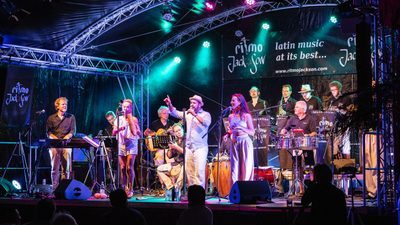
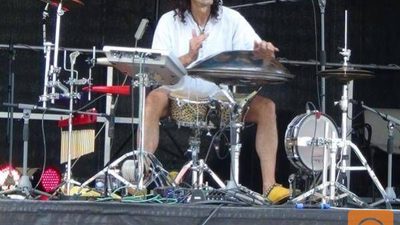
Latin music is one of the most reliable guarantees of a good mood. Salsa, merengue, bachata, samba, bossa nova, cumbia, reggaeton — this rhythmic variety brings a special warmth and joy of life to every event. A professional Latin band brings this energy to life: percussion (congas, bongos, timbales), bass, piano or guitar, horns and a lead singer in Spanish, Portuguese or several languages create a sound that goes straight to your feet.
For organizers, a Latin band is a first choice especially at summery occasions: summer parties, open airs, pool parties, themed events with a Caribbean or South American flair, welcome receptions, weddings with an international audience, galas with a dance area. In the dance-school environment or at dance events (salsa nights, bachata festivals), live Latin bands are in strong demand too. The tempo is easy to control: bossa-heavy sets suit the reception and dinner, while hotter salsa and merengue numbers fill the dance floor later in the evening.
Before booking, it is worth looking at the regional orientation of the band — Cuban-influenced, Brazilian, Colombian or mixed-international. On connactz you will find Latin bands all across Germany — audio samples and videos show which style best carries your event.
Latin Today – Modern Bands, Singers & Media
Current Artists
Modern artists like Bad Bunny, Rosalía, or Camila Cabello shape today's Latin Music and combine traditional rhythms with contemporary sounds. Their songs regularly dominate the Latin American Music Charts and international playlists.
These artists show how diverse and dynamic the genre is today and reach a broad audience.
Bands in Europe / Worldwide
In Europe and other parts of the world, there are also numerous bands that play Latin Music. These groups often combine local influences with Latin American rhythms and thus contribute to global distribution.
Festivals and concerts with Latin bands are becoming increasingly popular and offer a platform for cultural exchange.
Streaming & YouTube
Platforms like YouTube and Spotify are now central places to discover latin music youtube and youtube latin music. There you can find countless playlists with latin hits and well-known Latino songs that cover both classics and current trends.
The availability of Latin Music online has contributed to the genre gaining reach and popularity worldwide.
Latin for Events & Booking a Latin Band
Weddings
Latin Music is particularly popular at weddings, as it creates a festive and romantic atmosphere with its rhythms. From gentle ballads to energetic dance numbers, there is something for every taste.
A Latin Band creates mood and encourages guests to dance, making a wedding unforgettable.
Corporate Events / Galas
At corporate events and galas, Latin Music can also create a special ambiance. The music brings life to the room and promotes communication and togetherness among guests.
A professional Latin Band can stylishly accompany the event and create a relaxed but elegant mood.
Festivals / Summer Festivals
At open-air events and summer parties, the captivating energy of Latin Music is a guarantee for good mood and exuberant atmosphere. The variety of rhythms invites dancing and celebrating.
Latin Bands are therefore often a highlight at such events and attract numerous visitors.
How to Book a Latin Band
The easiest way is to compare Latin bands directly on connactz. Important factors are the size of the band, the repertoire, and the technical equipment.
Many agencies offer complete packages that include lighting and sound technology in addition to music. This guarantees your event will be a success.
Costs & Planning for a Latin Band
Price Factors
The costs for a Latin Band vary depending on the size of the band, duration of the performance, and technical equipment. The fame of the musicians also plays a role.
Additional costs can arise for travel, accommodation, and special requests. A precise agreement in advance is therefore important.
Budget Examples
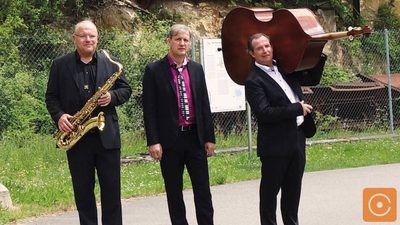
For smaller events, a trio or quartet lineup is often sufficient, which can be booked from around 800 euros. Larger bands with up to ten musicians can cost several thousand euros.
Depending on the budget, a suitable band can be found that musically enriches the event.
Band vs. DJ
The difference between a live band and a DJ lies primarily in the atmosphere. A band offers authentic live music and interaction with the audience, while a DJ offers a larger music selection and flexibility.
For Latin Music, live bands are often the better choice, as they can better convey the energy and rhythm of the music.
Looking for live music for your event?
Describe your event in a few minutes — matching artists will get back to you. Free & non-binding.
Popular searches for Latin
Smaller line-ups are popular too, such as Latin Band and Latin Duo.
)
)
)