
Blues Music – Discover the Soul of African American Sound
What Exactly is Blues?
- Definition & Cultural Roots: Blues represents not only a music genre but a profound emotional language that emerged from the African American experience in the Southern United States, with deep connections to Gospel, Spiritual, and Work Songs. The term 'Blues' originally described melancholy or sadness, but evolved into a sophisticated musical tradition that serves as the foundation for modern genres including Rock, Jazz, and Soul, making it one of the most influential musical forms in history.
- Musical Characteristics & Blue Notes: Blues music is distinguished by its twelve-bar blues progression, the characteristic use of 'blue notes' (specifically flattened thirds, fifths, and sevenths), and call-and-response patterns inherited from African musical traditions. The genre's harmonic simplicity, often based on three primary chords (I-IV-V), creates space for emotional expression and improvisation that would later influence Rhythm and Blues, Country, and Folk music traditions.
- Instrumentation & Sound Aesthetics: Traditional blues instrumentation centers around guitar (both acoustic and electric), harmonica, and piano, often accompanied by bass and drums to create the genre's distinctive rhythmic foundation. The vocal style emphasizes raw emotional expression with techniques like melisma, vocal bends, and conversational delivery that influenced countless genres including Americana, Funk, and contemporary Hip-Hop vocal approaches.
- Emotional Depth & Universal Language: Blues serves as a universal emotional language that transcends cultural boundaries while maintaining its roots in African American experience, addressing themes of hardship, love, loss, and resilience that resonate across cultures. This emotional authenticity and storytelling tradition established patterns that would influence protest music, Protest Songs, and socially conscious genres throughout musical history.
- Historical Development & Generational Influence: From its origins in the post-Civil War era through work songs and field hollers, blues evolved through Delta, Chicago, and regional variations, each contributing unique elements that would shape American music. The genre's influence extends from early recordings in the 1920s through the British Invasion of the 1960s, where bands like The Rolling Stones and Eric Clapton brought blues back to international prominence.
- Social Significance & Cultural Resistance: Blues music served as both a form of cultural preservation and subtle resistance, allowing African American communities to maintain their musical heritage while commenting on social conditions. The genre's themes of overcoming adversity and finding hope in struggle continue to influence contemporary music and social movements, establishing blues as both an artistic achievement and a form of cultural documentation.
History & Development of Blues Music
- Origins of Blues (19th Century): The roots of blues music lie in the 19th century, primarily in the Southern United States, emerging from the fusion of African singing and rhythmic traditions with European musical structures, showing early connections to Folk, Spiritual, and Gospel. Particularly the African American population, who suffered under slavery and later under discrimination, developed blues as a powerful expression of their lived reality and cultural resistance.
- Early Development & Work Songs: This early form of blues was primarily acoustic and was performed during work, at minstrel shows, house and rent parties, or public gatherings, serving as both emotional outlet and community builder while integrating elements from Country, Ragtime, and early Jazz forms. The first known commercial recordings date from the 1920s, when blues music first became accessible to a broader public and began its transformation into a commercial art form.
- Golden Age (1920s-1930s): The 1920s and 1930s are considered the first golden age of blues, during which legendary artists like Bessie Smith, Ma Rainey, and Blind Lemon Jefferson created many of the most famous blues songs and established recording standards. The 1950s and 1960s brought dramatic development with electric blues, particularly perfected in urban centers like Chicago, creating connections to emerging Rhythm & Blues and Soul movements.
- Blues-Rock Revolution (1960s): In the 1960s, blues significantly influenced the emerging Rock music, manifesting in bands like the Rolling Stones, Led Zeppelin, and artists like Eric Clapton who brought blues back to international prominence. These decades were crucial for the worldwide spread and recognition of blues as a fundamental musical genre, creating bridges to Hard Rock, Psychedelic Rock, and Blues Rock subgenres.
- Regional Stylistic Directions & Diversity: The blues musical genre developed fascinating diversity strongly influenced by regional origins: Delta blues from Mississippi Delta remained raw and acoustically oriented, while Chicago blues embraced electric amplification and urban sophistication. Memphis blues, Texas blues, and Country blues each show distinctive regional characteristics in style and instrumentation, often influenced by local Country, Folk, and early Rockabilly traditions.
- Cross-Genre Influence & Modern Evolution: This geographical diversity contributes to blues' rich history and demonstrates how the music organically adapted to various cultural and social environments without losing its emotional core message. Blues music has sustainably influenced numerous other musical genres, particularly Rhythm and Blues, Soul, and Rock 'n' roll, which have their direct roots in blues traditions.
- Jazz-Blues Symbiosis & Cultural Exchange: Many rock bands of the 1960s integrated blues elements into their music, contributing to the blues renaissance, while conversely Jazz has also influenced blues, with both genres often complementing each other and creating mutual enrichment through connections to Swing, Bebop, Funk, and Fusion. This close interrelationship demonstrates how central blues is in American and later global music history, establishing it as a foundational cornerstone of popular music.
The best artists for your event


Booking the perfect artist for your event in 3 easy steps


Variants & Subgenres of Blues Music
- Delta Blues - Acoustic Roots: Delta blues is one of the oldest and most authentic forms of blues, originating from the Mississippi Delta region and characterized by its simple yet powerfully emotive instrumentation, typically featuring acoustic guitar and raw, unpolished vocals. Legendary artists like Robert Johnson, Charley Patton, and Son House became icons of this style, creating connections to early Country, Folk, and Slide Guitar techniques that influenced generations of musicians.
- Delta Blues Characteristics: Delta blues captivates through its raw, emotional expression and often dark, introspective themes that reflect the harsh realities of life in the rural American South, serving as the foundation for many later subgenres while demonstrating early influences on Fingerpicking and Bottleneck Guitar techniques. This pure form of blues expression later influenced Blues Rock, Acoustic traditions, and Americana movements.
- Chicago Blues - Urban Electric Revolution: Chicago blues emerged in the urban environment of Chicago and revolutionized the genre through the use of electric instruments including electric guitar, electric bass, and full drum kits, with legendary artists like Muddy Waters, Howlin' Wolf, and Willie Dixon becoming famous ambassadors of this amplified style. This variant created a rhythmically denser, more danceable sound perfectly suited for clubs and dance venues, significantly influencing the development of Rock 'n' roll, Rhythm & Blues, and modern electric music styles.
- Country Blues & Regional Diversity: Country blues represents a rural, often more personal form of blues, typically played with acoustic guitar and harmonica, characterized by less formalized structures and remarkable stylistic diversity that reflects the individual experiences and cultural backgrounds of its practitioners. Many of the earliest recorded blues songs emerged from this tradition, often telling intimate stories of everyday life, nature, and human relationships while maintaining close connections to blues' authentic origins and showing influences from Folk, Work Songs, and Spiritual traditions.
- Regional Blues Variations & Geographic Influence: Beyond Delta and Chicago styles, blues developed distinctive regional characteristics: Memphis blues combined gospel influences with urban sophistication, Texas blues emphasized guitar virtuosity and swing rhythms, while Piedmont blues featured sophisticated fingerpicking patterns derived from Ragtime and Country traditions. Each regional style reflected local cultural influences while contributing unique elements to the broader blues canon, creating connections to Soul, Gospel, and Rock 'n' Roll development.
- Modern Blues Variations & Fusion: The evolution of blues continues through modern variations that blend traditional elements with contemporary influences: blues rock fused blues structures with rock energy, electric blues brought amplification and urban sensibility, while acoustic blues maintained traditional intimacy in modern contexts. These developments enabled blues music to transcend its historical boundaries and create new hybrid forms that incorporate elements from Jazz, Funk, Hip-Hop, and contemporary electronic music.
- Cross-Genre Influence & Musical Legacy: The various subgenres of blues have not only enriched the music landscape but fundamentally shaped the development of popular music, with Delta blues elements flowing into rock, Chicago blues significantly influencing rhythm and blues development, and blues guitar techniques becoming foundational to modern music education. This diversity enables blues music to be appreciated in countless contexts - from intimate acoustic solo performances to energetic full-band concerts, from traditional festival settings to modern fusion experiments that continue expanding blues' influence across musical boundaries.
Famous Blues Musicians, Singers and Bands
- Muddy Waters - Father of Chicago Blues: Muddy Waters stands as one of the most important blues musicians of all time and the undisputed father of Chicago blues, revolutionizing the genre by combining traditional Delta blues elements with electric amplification and urban sophistication. His influential music shaped numerous later artists and created foundational bridges to Rock, Rhythm & Blues, and Soul, with classic songs like "Hoochie Coochie Man" and "Mannish Boy" remaining essential components of blues musician repertoires and "best blues songs" compilations worldwide.
- Robert Johnson - Legend of Delta Blues: Robert Johnson represents the legendary essence of Delta blues, profoundly shaping the entire genre through his virtuoso guitar playing, innovative songwriting, and deeply emotional lyrics that captured the raw authenticity of rural American experience. His world-famous compositions including "Cross Road Blues" and "Sweet Home Chicago" demonstrate connections to early Country, Folk, and Slide Guitar techniques, while his enduring influence extends far beyond blues into Rock and Pop, earning him recognition as the "grandfather" of modern blues.
- Blues Bands & Ensemble Traditions: Beyond individual artists, numerous famous blues bands have preserved and evolved the genre, with legendary groups like The Blues Brothers combining blues authenticity with theatrical humor and entertainment value, while influential formations such as the Paul Butterfield Blues Band, Canned Heat, and international ensembles like Vienna's Mojo Blues Band have brought blues to global audiences. These bands typically blend traditional and modern blues elements, maintaining popularity at festivals and concert venues while creating connections to Rock, Jazz, and Funk through their diverse repertoires.
- Contemporary Blues Masters: Modern blues continues to evolve through virtuoso artists like Stevie Ray Vaughan, Buddy Guy, Johnny Winter, and Joe Bonamassa, who represent the finest blues musicians of contemporary times and have successfully developed the genre while making it accessible to broader, younger audiences. These musicians are renowned for their exceptional guitar techniques, their ability to combine traditional blues foundations with modern sounds and production, and their role in maintaining blues' relevance in today's diverse musical landscape.
- Women in Blues & Vocal Traditions: The blues tradition includes powerful female voices who shaped the genre's vocal and performance standards, from pioneering artists like Bessie Smith and Ma Rainey who established blues as a commercial force, to modern performers like Bonnie Raitt, Susan Tedeschi, and Beth Hart who continue expanding blues' emotional and technical boundaries. These artists demonstrate blues' capacity for profound emotional expression while creating connections to Soul, Gospel, and contemporary Americana movements.
- International Blues Artists & Global Influence: Blues has transcended its American origins to inspire exceptional international artists including British blues legends like Eric Clapton, Peter Green, and John Mayall, as well as European innovators who interpret blues through their own cultural lenses while maintaining authentic emotional connection to the genre's core values. This global reach demonstrates blues' universal appeal and its ability to serve as a musical lingua franca that connects diverse cultures through shared emotional experiences and musical structures.
- Legacy Artists & Continuing Influence: The impact of blues masters extends far beyond their individual careers, creating an ongoing legacy that influences contemporary musicians across multiple genres, from Indie and Alternative artists who incorporate blues elements to electronic producers sampling classic blues recordings. This continuing influence ensures that blues remains a living, evolving tradition rather than merely a historical artifact, with new artists constantly discovering and reinterpreting blues foundations while adding their own innovations to this rich musical heritage.
Why a Blues Band is a Good Choice
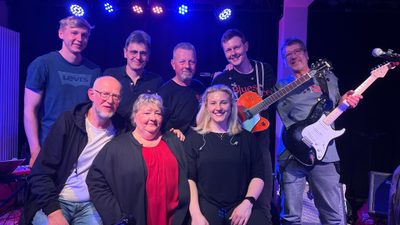
A blues band brings something to the stage that many other live acts cannot match: honest, grounded music with depth. The characteristic sound of electric guitar, bass, drums and often Hammond organ or harmonica carries an emotional language that needs no gimmicks — and that is exactly what makes a professional blues band so special for events.
For organizers, blues is a smart choice when an event should be about more than just the dance floor and party mood — when it should be about atmosphere. A blues band fits beautifully with a relaxed welcome reception, a wine tasting, a culturally minded corporate event, or as a late-evening show feature at a wedding or gala. At club nights, concerts and festivals, too, the blues draws a grown-up, music-loving audience that appreciates live quality. A good frontman or a strong female singer carries the set, and longer instrumental passages with guitar or saxophone solos create goosebump moments.
When making your choice, it pays to look at the repertoire: some blues bands mainly play classics of the Chicago blues and Texas blues, while others come from the blues-rock corner and suit more energetic events better. On connactz you will find blues bands all across Germany — compare audio samples, live videos and line-ups to find the right formation for your event.
Blues Today – Modern Bands, Singers & Media
Current Artists
Today's blues scene is diverse and vibrant. Modern artists like Gary Clark Jr., Susan Tedeschi, or Keb' Mo' combine traditional blues elements with rock, soul, and jazz. They bring fresh wind to the genre and reach a young audience.
These artists are often also excellent singers and guitarists who present blues with passion and innovation. Their music is in high demand both at concerts and on streaming platforms.
Bands in Europe / Worldwide
Blues is no longer just an American phenomenon. In Europe, there are numerous bands like the Frankfurter City Blues Band or the Blues Company from Vienna that interpret blues in their own language. New blues formations are also emerging in other parts of the world that further develop the genre.
These bands play both traditional and modern blues pieces and thus contribute to the international spread of the music.
Streaming & YouTube
Thanks to platforms like YouTube and Spotify, listening to blues music is easier than ever before. There you can find both classic recordings by famous blues musicians and current productions. Fans can discover "Top 100 Blues Songs" or "Best Blues Music" playlists and get to know new artists.
This digital availability has increased the popularity of blues and enables worldwide networking of the blues community.
Blues for Events & Booking a Blues Band
Weddings
A blues band creates an atmospheric and emotional accompaniment at weddings. The music creates an intimate atmosphere and is suitable both for the reception and the dance floor. Many couples choose blues because the music tells stories of love and life.
In addition to classic blues pieces, individual wishes can also be considered to make the day musically perfect.
Corporate Events / Galas
At corporate events and galas, blues music offers an elegant yet relaxed mood. The combination of rhythm and blues, soul, and jazz elements makes the music versatile and adaptable to various event formats.
A professional blues band can enrich the evening through its repertoire and stage presence and create lasting impressions.
Festivals / Summer Festivals
Blues festivals and open-air events are ideal platforms for blues bands to showcase their skills. The music attracts a broad audience that appreciates the diversity of the genre. From acoustic sessions to full-electric shows, everything is possible.
Such events also promote exchange between musicians and fans and contribute to the vibrant blues culture.
How to Book a Blues Band
The easiest way is to compare blues bands directly through connactz. It is important to plan early and clarify requirements for technology, repertoire, and lineup.
Good communication with the band ensures smooth execution and musical accompaniment that perfectly fits your event.
Costs & Planning for a Blues Band
Price Factors
The costs for a blues band vary depending on the size of the lineup, fame of the musicians, and duration of the performance. Technical requirements such as PA system or lighting can also influence the price.
A small acoustic formation is usually cheaper than a fully equipped electric band with extensive equipment.
Budget Examples
For private celebrations, you can expect prices from around 500 euros, while larger events and festivals should also plan several thousand euros for a well-known blues band. It is worth comparing offers and booking early.
Sometimes package prices including technology and travel are also possible, which makes planning easier.
Band vs. DJ
Compared to a DJ, a blues band offers a lively and authentic atmosphere. Live music creates special energy and interaction with the audience that a DJ can hardly achieve.
However, bands are usually more expensive and require more space and technology. The decision depends on the occasion, budget, and personal preferences.
Looking for live music for your event?
Describe your event in a few minutes — matching artists will get back to you. Free & non-binding.
Popular searches for Blues
Smaller line-ups are popular too, such as Blues Band.
)
)
)