
Swing Music – The Captivating Sound of the Golden Era
History & Development of Swing Music
Roots
The roots of Swing Music lie in early jazz of the 1920s, particularly in New Orleans Jazz and Chicago Jazz. Musicians began to change the rhythm and bring more swing into the music, which eventually led to the emergence of Swing.
In the 1930s, Swing developed into an independent genre that became popular especially through big bands. These large ensembles played arranged pieces with strong rhythms that were perfect for dancing. The Swing Era began and lastingly shaped the music landscape.
Important Decades
The 1920s can be seen as the birth of Swing, even though the term was not yet so widespread at that time. In the 1930s and 1940s, Swing experienced its heyday with famous big bands and Swing interpreters like Benny Goodman or Duke Ellington.
In the 1950s, Swing Music changed, partly due to the influence of bebop and rock 'n' roll. Nevertheless, Swing remained an important part of the music scene, especially in the field of dance and entertainment. Even today, Swing Music from the 20s, 30s, and 50s is still gladly heard and appreciated.
Regional Influences
Swing Music developed primarily in the USA, but there were also significant Swing musicians and bands in Europe and specifically in Germany. The American Swing Era became a model worldwide, but local musicians brought their own influences and interpretations.
In Germany, for example, there was a lively Swing scene in the 1930s that existed despite political resistance. Today, Swing is also experiencing a renaissance in this country with modern Swing interpreters and bands that keep the heritage of the Swing Era alive.
Influence on/from Other Genres
Swing Music has influenced many other music styles, including jazz, blues, rock 'n' roll, and even pop. The rhythmic structure and big band sound have inspired numerous musicians to develop their own styles.
Conversely, Swing has also incorporated elements from other genres, for example in Electro Swing, where classic Swing sounds are combined with modern electronic music. This mixture shows how changeable and alive Swing Music still is today.
Variants & Subgenres of Swing Music
Electro Swing
One of the best-known modern variants is Electro Swing. Here, classic Swing elements are combined with electronic music. The result is a fresh, danceable sound that appeals to both fans of traditional Swing and lovers of modern club music.
Electro Swing Music is characterized by samples from Swing classics, modern beats, and often rap or vocal inserts. This fusion has thrilled many new listeners for Swing worldwide and creates a lively scene at festivals and in clubs.
West Coast Swing
West Coast Swing is a dance style closely associated with Swing Music. It originated in the USA and is characterized by flowing movements and a close connection to the music. West Coast Swing is danced to various music styles, including modern Swing and blues.
Musically, West Coast Swing is flexible and adapts to different tempos and rhythms. The dance music is often somewhat slower and groovier than classic Lindy Hop, which makes it particularly versatile.
Lindy Hop and Charleston
Lindy Hop is probably the best-known Swing dance and originated in the 1920s and 1930s in Harlem. It combines elements from jazz, Charleston, and other dances and is characterized by acrobatic figures and much expression.
The Charleston is another classic that is closely associated with Swing Music of the 20s. It is fast, energetic, and was an important part of Swing dance music of that time.
Influence of Subgenres
The various subgenres and dance styles show how diverse Swing Music is. From traditional big band to Electro Swing to modern interpretations – Swing remains a living and constantly evolving genre.
This diversity makes it possible to enjoy Swing Music in many contexts – whether at dance events, concerts, or private celebrations. The different styles appeal to different generations and tastes.
The best artists for your event
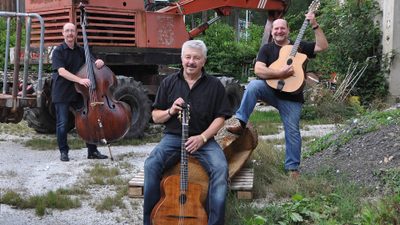



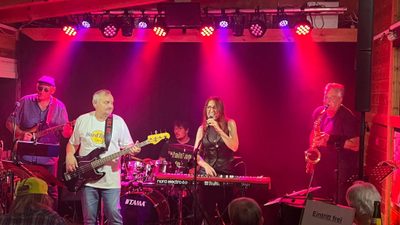
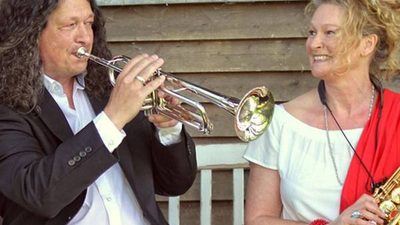
Booking the perfect artist for your event in 3 easy steps


Famous Swing Musicians, Singers and Bands
Artist 1: Benny Goodman
Benny Goodman is considered one of the most famous Swing Musicians and is often called the „King of Swing". His orchestra significantly shaped the Swing Era of the 1930s and produced hits that are still classics today.
Goodman was known for his virtuoso clarinet playing and his ability to bring together musicians from different backgrounds. His music was both technically demanding and danceable, which made him a legend.
Artist 2: Duke Ellington
Duke Ellington was another giant of Swing Music. As a bandleader, composer, and pianist, he created an extensive body of work that had an impact far beyond the Swing Era. His big band decisively shaped the sound of the 30s and 40s.
Ellington's style was elegant, complex, and emotionally profound. He combined Swing with blues, gospel, and classical music and thereby influenced many subsequent musicians and bands.
Bands
In addition to solo artists, big bands were the heart of the Swing Era. Famous bands like those of Count Basie, Glenn Miller, or Artie Shaw thrilled with their ensembles and shaped the image of Swing for decades.
These bands were often large orchestras with up to 20 musicians who played perfectly arranged pieces and invited both to listen and to dance. They are still role models for modern Swing bands today.
Other Acts
In addition to the big names, there are numerous other well-known Swing Musicians and interpreters who have enriched the genre. From Ella Fitzgerald as an outstanding singer to more modern artists who further develop Swing.
In Germany and Europe, there are also many talented Swing musicians and bands that preserve and reinterpret the heritage of the Swing Era. They contribute to keeping Swing Music alive and current today.
Why a Swing Band is a Good Choice
A swing band brings the golden age of jazz to your stage — and proves again and again how timeless this sound is. A driving, easily danceable rhythm, punchy horn sections, precise drums, walking bass, piano or guitar, and a charismatic lead vocal: swing is live music with elegance, wit and immediate rhythmic impact. The range stretches from the small combo quartet to the classic big band — and all of it works brilliantly at events.
For organizers, swing is an especially elegant choice at galas, balls, dance events, vintage weddings, garden summer parties, festive receptions, theatre and cultural events, restaurant openings and boutique-hotel evenings. The tempo is easy to control: quiet standards suit dinner, while faster jive and Lindy Hop numbers fill the dance floor later. As musical accompaniment for a themed event with a 1920s or 1940s connection, swing is perfect too.
The typical style family spans classics of the Great American Songbook, big band hits, Manouche/gypsy swing and a modern swing revival with pop touches. On connactz you will find swing bands all across Germany — audio samples and live videos show which line-up and style best suit your event.
Swing Today – Modern Bands, Singers & Media
Current Artists
Today, there are many modern Swing Musicians and bands that combine classic Swing with new elements. Artists like Parov Stelar or Caravan Palace are known for their Electro Swing style, which brings Swing Music closer to a young audience.
Traditional Swing bands are also still active and perform worldwide. They play classics from the 20s, 30s, and 50s and create nostalgic but lively concert experiences.
Bands in Europe / Worldwide
In Europe, a lively Swing scene has developed, with many bands in Germany, France, Great Britain, and other countries. These bands often combine historical Swing with modern influences and offer a broad spectrum of Swing Music.
Worldwide, there are numerous festivals and events that celebrate Swing Music. Global networking via the Internet enables artists to spread their music and reach fans from all over the world.
Streaming & YouTube
Thanks to streaming services and platforms like YouTube, it is easier than ever today to listen to Swing Music. There are numerous playlists, videos, and live recordings that make Swing Music from different eras and styles accessible.
Online, you can also find many tutorials for Swing dance and interviews with Swing interpreters today. These media contribute to keeping Swing Music alive in the digital age and winning new fans.
Swing for Events & Booking a Swing Band
Weddings
A Swing Band is an excellent choice for weddings, as it creates an elegant and at the same time carefree mood. Swing dance music invites guests to participate and creates unforgettable moments.
Many couples choose Swing classics from the 30s or 50s, which fit perfectly with the festive occasion and fill the dance floor.
Corporate Events / Galas
At corporate events or galas, Swing Music also creates a stylish and lively atmosphere. The music fits both festive dinners and carefree dance rounds and promotes communication among guests.
A Swing band with an elegant singer often offers flexible programs and can respond to the organizer's wishes to musically accompany the event optimally.
Festivals / Summer Festivals
Swing festivals and summer festivals are popular occasions to experience Swing Music in a large group. Here, fans, dancers, and musicians meet to celebrate and enjoy Swing culture together.
The energy and fun that Swing Music spreads at such events are incomparable and make these events special highlights.
How to Book a Swing Band
If you want to book a Swing Band, you should plan early and inform yourself about the band size, repertoire, and technical equipment. Many bands offer tailored programs for different occasions.
Direct contact with the bands or brokers enables you to clarify all details and ensure that the music fits perfectly with your event.
Costs & Planning for a Swing Band
Price Factors
The costs for a Swing Band depend on various factors, including the number of musicians, the duration of the performance, travel, and technical equipment. Larger ensembles are usually more expensive than smaller combos.
The fame of the band and special requirements such as extensive lighting and sound technology also influence the price.
Budget Examples
For a small Swing combo with 3 to 5 musicians, you can expect prices from around 800 euros. Larger big bands with 10 or more musicians are often in the range of 2,000 to 5,000 euros or more, depending on the event and requirements.
It is worth obtaining various offers and comparing the services precisely to find the best price-performance ratio.
Band vs. DJ
The difference between a live Swing Band and a DJ lies primarily in the atmosphere. A band brings real instruments, spontaneous interaction, and a lively performance that a DJ cannot replace.
However, a band is usually more expensive and requires more space and technology. A DJ is more flexible and cheaper but cannot fully offer the special energy of a Swing Band.
Looking for live music for your event?
Describe your event in a few minutes — matching artists will get back to you. Free & non-binding.
Popular searches for Swing
Smaller line-ups are popular too, such as Swing Band.
)
)
)