
Soul Music Genre – Soul Music Records and Soul Music Full of Emotion and History
What Exactly is Soul? – Characteristics of Soul Music
Term Soul
The term Soul stands for "soul" and makes clear that this music style transports emotions unfiltered. Characteristics of soul music are intensive vocals, call-and-response structures from gospel, and catchy rhythms.
What does Soul mean in English?
In English, Soul simply means "soul". In a musical context, the term describes a genre that conveys feelings with a rare directness and has become a fixed part of black music.
What is Soul Music / How does Soul sound?
Soul music sounds lively and emotional. The sound ranges from the melancholic ballads of an Otis Redding to the energetic grooves of James Brown. Typical instruments are Hammond organ, brass instruments, bass, and drums.
Emotionality of Soul
Although soul has existed for decades, it is not only sad. Soul since the 1970s encompasses a range from melancholy to exuberant joy of life.
History and Development of Soul Music
Roots of Soul Music
In African American churches, gospel, blues, and jazz merge – from this, the foundations of soul music arise. This music became popular early in Chicago and New Orleans.
The 1960s
The 1960s were the golden decade of soul. Labels like Motown and Philadelphia International Records released countless classics. Aretha Franklin, Stevie Wonder, and Ray Charles shaped this era.
Regional Currents
Memphis Soul was a special direction that emerged in Stax Studios. Southern Soul was shaped by voices like Otis Redding. Philadelphia Soul relied on orchestral sound. In New Orleans, funk and soul merged into independent rhythms.
Influence of Soul on Other Genres
The influence of soul on funk, disco, and hip-hop is undeniable. Even today, rappers use samples from soul music records.
The best artists for your event
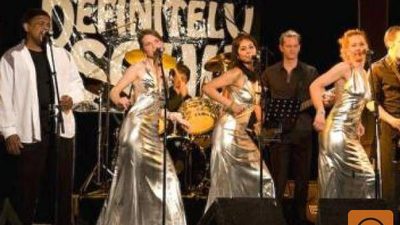

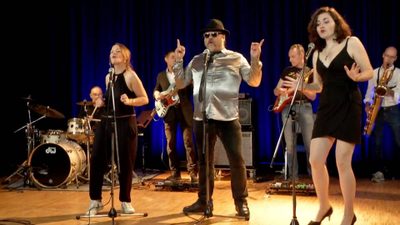
Booking the perfect artist for your event in 3 easy steps


Genres of Soul Music and Variations
A genre with many branches
Soul music is far from a single, uniform style. Over the decades it has split into numerous sub-genres and regional variants, each with its own character. Understanding these strands helps organisers and music fans appreciate just how versatile soul can be, from raw and danceable to smooth and introspective.
Northern Soul and Neo Soul
Northern Soul is a movement that emerged in the north of England, built around rare, fast-paced American soul records and an energetic club dance culture. Its scene turned obscure singles into treasured anthems and kept the uptempo soul sound alive. Neo Soul developed later, from the late 1980s and through the 1990s, blending classic soul with contemporary production; the related term Modern Soul describes newer currents that integrate elements of hip-hop and R&B for a polished, current sound.
Psychedelic, Uptown and Urban Soul
Other variations pushed the genre in further directions. Psychedelic Soul brought in the experimentation and studio effects of late-1960s rock, creating a richer, more adventurous sound. Uptown Soul leaned towards smooth, sophisticated arrangements aimed at a broad audience, while Urban Soul incorporated electronic production and contemporary urban influences. Together these branches show soul as a living, evolving genre — one that can be tailored to suit very different events and moods.
Well-Known Soul Musicians and Bands
The defining voices of soul
Soul music has been carried by some of the most iconic performers in popular music. James Brown, widely known as the "Godfather of Soul", shaped the genre with his explosive stage shows and rhythmic intensity, and his work later became a cornerstone of funk. Aretha Franklin, crowned the "Queen of Soul", achieved worldwide fame with timeless hits such as "Respect", her powerful, gospel-rooted voice setting the standard for generations of singers.
Soul bands and the Motown sound
Soul was also defined by celebrated groups. The Supremes and The Miracles helped make the Motown sound famous across the world, combining tight vocal harmonies with polished, radio-friendly production. These ensembles proved that soul could dominate the mainstream charts while keeping its emotional depth intact, and they remain a key reference point for vocal groups today.
Further icons of the genre
The list of soul legends extends much further. Stevie Wonder, Ray Charles and Otis Redding are widely regarded as supporting pillars of the genre, each contributing a distinctive voice and songwriting style. Later acts such as Soul II Soul carried the tradition into new decades, blending classic soul with contemporary sounds. For organisers booking a soul act, this rich heritage means a soul band or singer can deliver everything from heartfelt ballads to high-energy floor-fillers.
Soul Today – Modern Bands, Singers and Digital Media
Modern artists
Soul is anything but a relic of decades past: artists such as Leon Bridges, Anderson .Paak, Joss Stone, Lianne La Havas and Yola build on the legacy of Aretha Franklin and Marvin Gaye, combining classic Motown warmth with modern pop, R&B and hip-hop elements. The result is songs that land in the streaming charts — and that create goosebumps live at festivals, in clubs or at private events.
The soul scene worldwide
Soul has long since established itself beyond the classic US strongholds of Memphis, Detroit and Philadelphia. British acts such as Sam Smith, Celeste and Michael Kiwanuka shape the genre today just as much as French and Scandinavian artists. In Germany, too, there is a lively scene with professional soul bands — from the intimate trio to the large show line-up with a full horn section.
YouTube, Spotify and the streaming revival
Via Spotify, Apple Music and YouTube, soul music now reaches a worldwide audience. Classics by Otis Redding, Stevie Wonder and Sam Cooke are streamed just as intensively as current neo-soul releases, and platforms such as TikTok bring younger generations into contact with the genre. This digital revival has noticeably revitalized the market for live soul bands: anyone looking for a soul band for a wedding, corporate event or gala now finds a broad choice — from cover bands and Motown tribute acts to original formations in their own right.
Soul for Events & Booking a Soul Band
Weddings
A soul band is a perfect choice for weddings — from an emotional first dance to classics such as "At Last" or "Stand By Me" through to an exuberant party mood later in the evening. Soul music touches with warmth, authenticity and danceability, without pushing itself to the fore. Whether a ceremony for a small circle, a reception in a castle garden or a celebration in a banquet hall: the versatility of the genre makes it the ideal accompaniment across the whole wedding day.
Corporate events and galas
At elegant events such as corporate events and galas, soul conveys authenticity and elegance without being intrusive. A soul band creates a refined atmosphere during the reception, can play atmospherically in the background during dinner, and reliably brings the audience onto the dance floor after the official part. With international guests in particular, the genre scores with its broad recognition value — songs such as "Respect" or "Try a Little Tenderness" are understood worldwide.
Festivals and summer parties
Soul has been a guarantee of festival anthems since the 1970s: pieces such as "Soul Man", "Ain't No Mountain High Enough" or "Higher and Higher" carry the audience along as soon as the first bars sound. A soul band at a summer party or open-air event brings not only musical quality but also a special show energy — with charismatic lead vocals, precise horn sections and singalong choruses that echo long after the performance.
How to book a soul band
The easiest way is through connactz: put together the key details of your event (date, location, number of guests, desired performance length), compare soul bands in your region using profiles, audio samples and references, and agree the repertoire with the band early on. Anyone who enquires in good time — ideally 6–12 months before the event — has the widest choice of top acts and can be sure the band brings your requested songs to the stage cleanly prepared.
Costs & Planning of a Soul Band
Price factors
The cost of a soul band depends on several factors: band size (from a trio to an eight-piece formation with a horn section), the experience and renown of the musicians, the performance length, the journey and the technical requirements. A well-rehearsed five-member cover band is considerably cheaper than an original formation with its own sound engineer. Seasonal fluctuations also play a role: on typical wedding dates or in the run-up to Christmas, professional bands are booked up early and priced accordingly higher.
Budget examples
As a rough orientation: a soul trio (singer, piano, bass) for a reception or a smaller ceremony starts at around €1,500–2,500 — including travel, a compact programme and simple technology. A six- to eight-piece soul band with a horn section and a full show programme for a wedding or corporate event typically lies between €4,000 and €8,000. Large Motown tribute shows with extensive stage technology and choreography can run considerably higher.
Soul band vs. DJ
A DJ is more cost-effective and offers an almost endless choice of songs — a live soul band, by contrast, brings an energy, interaction and authenticity to the stage that no DJ can replace. Many organizers combine the two: the band plays two or three live sets as the highlight of the evening, and a DJ takes over the breaks and the later dancing phase. That way you get the best of both worlds — and make optimal use of your budget.
Looking for live music for your event?
Describe your event in a few minutes — matching artists will get back to you. Free & non-binding.
)
)
)