
Funk Music – The Groove That Moves the World
History & Development of Funk Music
Roots
The history of Funk Music begins in the late 1960s in the USA, where African American musicians combined elements from soul, jazz, and rhythm & blues to create a new, danceable sound. Artists like James Brown are considered pioneers of the genre by placing the groove at the center of their music and thus ushering in a new musical era.
The roots of funk thus lie in the fusion of various African American music styles that together produced a powerful and rhythm-focused musical form. This development was closely linked to social changes and the desire for expression and identity.
Important Decades
The 1970s are considered the decade in which funk music reached its peak. Bands like Parliament-Funkadelic, Sly and the Family Stone, and Earth, Wind & Fire shaped the image of the genre with innovative sounds and energetic live performances. In the 1980s and 1990s, funk continued to develop and influenced other genres such as hip-hop and electronic music.
In the 1980s, funk was often combined with electronic elements, leading to a new timbre. The 1990s brought a renaissance of the funk sound, especially through sampling in hip-hop music. Thus, funk music remained relevant and adaptable over decades.
Regional Influences
Funk music has spread worldwide and has been enriched by local influences in various regions. In Germany, a distinct German Funk Music scene developed, mixing the sound with European influences. In Brazil, an exciting fusion with traditional music emerged, known as Brazilian Funk Music, which combines funk with samba and other rhythms.
These regional variants show how versatile and adaptable funk is. The basic groove remains, but the musical nuances vary depending on cultural context and musical tradition.
Influence on/from Other Genres
Funk music had an enormous influence on many other music styles. Particularly in hip-hop culture, funk samples and grooves are a fixed component. Funk elements are also frequently heard in electronic music and pop. At the same time, funk itself was influenced by soul, jazz, and rock, leading to constant musical exchange.
This mutual influence has contributed to funk music being constantly reinvented and remaining relevant in various musical contexts. Funk and soul music are often closely connected and complement each other in sound and feeling.
Variants & Subgenres of Funk Music
Subgenre 1: P-Funk
P-Funk, short for Parliament-Funkadelic, is a subgenre that emerged in the 1970s and was primarily shaped by George Clinton. It is characterized by psychedelic sounds, elaborate arrangements, and strong stage presence. P-Funk combines funk with rock and electronic elements and is known for its experimental sounds.
This variant of funk is particularly innovative and has inspired many musicians to expand the boundaries of the genre. P-Funk is a prime example of how funk music can grow in different directions.
Subgenre 2: Funk Rock
Funk rock combines the rhythmic elements of funk with the energy and instrumentation of rock. Bands like Red Hot Chili Peppers have popularized this subgenre by combining funky basslines with rock guitar riffs. This mixture creates a powerful and dynamic sound that is both danceable and intense.
Funk rock shows how flexible funk music is and how it can merge with other genres to create new sound experiences. It is a bridge between different musical worlds.
Subgenre 3: Neo-Funk
Neo-funk is a modern interpretation of classic funk that emerged in the 1990s and 2000s. Artists like Jamiroquai or Bruno Mars draw on elements of traditional funk and combine them with contemporary pop and soul influences. Neo-funk is often more smoothly produced and appeals to a broader audience.
This variant shows that funk music still lives and continues to evolve today by integrating modern sounds and production techniques.
Influence of Subgenres
The various subgenres of funk have enriched the genre overall and given it great diversity. They enable funk musicians to find their own style while maintaining the basic principles of funk – the groove, energy, and danceability.
Through this diversity, funk music remains exciting and relevant, as it can constantly reinvent itself without losing its roots.
The best artists for your event
Booking the perfect artist for your event in 3 easy steps


Famous Funk Musicians, Singers and Bands
Artist 1: James Brown
James Brown is considered the "Godfather of Funk" and is one of the best-known representatives of the genre. With hits like "Get Up (I Feel Like Being a) Sex Machine", he shaped the characteristic funk sound and set standards in terms of rhythm and performance. His music is a prime example of funk music of the 1970s.
Brown's influence extends far beyond funk and has inspired numerous musicians and genres. His energy and unmistakable style make him an icon of music history.
Artist 2: George Clinton
George Clinton is the head behind the bands Parliament and Funkadelic, which significantly shaped the P-Funk subgenre. His experimental sounds and extravagant stage performances made him one of the most innovative funk musicians. Clinton brought funk music to a new level by integrating rock, psychedelic, and electronic elements.
His work has decisively influenced funk music of the 1970s and 1980s and remains a source of inspiration for many artists to this day.
Bands
In addition to solo artists, there were numerous funk bands that helped shape the genre. Earth, Wind & Fire, Sly and the Family Stone, and Kool & the Gang are among the best-known. These bands combined funk with soul, jazz, and pop and reached a broad audience with their catchy melodies and danceable rhythms.
Their music is a fixed part of funk music history and is still appreciated and played worldwide today.
Other Acts
In addition to the big names, there is a long list of famous funk musicians and bands that enrich the genre. These include artists like Rick James, Prince, and more modern acts like Bruno Mars, who incorporate funk elements into their music. Talented musicians can also be found in the German funk music scene who keep the genre alive.
This diversity shows how broad and multifaceted funk music is and how many artists have contributed to the development of the genre.
Why a Funk Band is a Good Choice
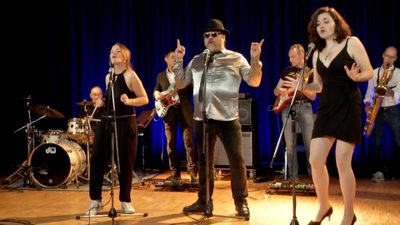
A funk band lives by the groove. Where many other genres score points with melody or show, funk is a question of timing: precise, tight drums, a punchy bass interplaying with rhythmic guitar, fat horn sections and a lead singer who switches between a melodic hook line and rhythmic call-and-response. This sound moves people — almost inevitably — and that is exactly what makes a professional funk band so effective for events.
For organizers, funk is a clever choice when you want a reliable dance floor without drifting into a pure chart cover programme. Funk suits weddings with an exuberant party mood, company summer parties, galas with a lounge and dance area, club nights, open airs and club festivals. The classic repertoire (classics from the 70s and 80s, plus more modern neo-funk) is known across the generations — even guests who rarely dance do not stay seated long once a good funk groove kicks in.
The size of the line-up strongly determines the sound and the price: funk thrives on the horn section, but trios and quartets can deliver tight grooves too. On connactz you will find funk bands all across Germany — from the intimate funk quartet to the eight-piece show band with a full horn section.
Funk Today – Modern Bands, Singers & Media
Current Artists
Modern funk musicians and artists continue the tradition of the genre while bringing in fresh influences. Names like Vulfpeck, Cory Wong, or Lettuce are examples of bands that combine the funk sound with modern elements and thus thrill a new audience. Neo-soul artists also often integrate funk elements into their music.
These artists show that funk music is alive and constantly evolving without losing the typical groove that characterizes the genre.
Bands in Europe / Worldwide
Funk music is today a global phenomenon. In Europe, there are numerous funk bands that cultivate and further develop the sound. Particularly in Germany and Great Britain, there are vibrant scenes with talented musicians. Worldwide, funk bands are very active in the USA, Brazil, and Japan and contribute to the diversity of the genre.
This international presence shows how universally funk music is understood and appreciated – a language that is understood everywhere.
Streaming & YouTube
Thanks to streaming platforms and YouTube, funk music today has a greater reach than ever before. Classic funk hits and new productions are available worldwide and reach a broad audience. Many funk musicians use these media to spread their music and connect with fans.
The internet has simplified the distribution of funk music and enables the genre to remain attractive to new generations.
Funk for Events & Booking a Funk Band
Weddings
Funk bands are an excellent choice for weddings, as they create good mood with their captivating groove. The music invites dancing and creates a festive atmosphere that thrills the couple and guests. Many bands offer a broad repertoire from classic funk hits to modern interpretations.
Thus, the wedding party becomes an unforgettable experience where music and dance are at the center.
Corporate Events / Galas
At corporate events and galas, a funk band also provides lively and stylish entertainment. The music is professional, versatile, and adapts to the occasion. Funk music creates a relaxed but elegant atmosphere that promotes networking and good mood.
Through the combination of rhythm and melody, the event becomes a special experience for all participants.
Festivals / Summer Festivals
Funk bands are particularly popular at festivals and summer parties because they bring the crowd to dance and celebrate. The energy and groove of the music fit perfectly with exuberant open-air events. Many festivals have special funk stages where both classic and modern funk bands perform.
These events are ideal for experiencing the diversity and power of funk music live.
How to Book a Funk Band
The easiest way is to compare funk bands directly on connactz. Important factors are the size of the band, the repertoire, and the technical equipment. Many professional bands offer individual consultation and adapt their program to the customer's wishes.
Good planning ensures that your event with a funk band becomes a complete success and thrills all guests.
Costs & Planning for a Funk Band
Price Factors
The costs for a funk band vary depending on the size of the band, experience of the musicians, duration of the performance, and technical requirements. A small band with three to five musicians is usually cheaper than a large formation with a brass section. Travel and equipment can also influence the price.
It is worth obtaining several quotes and carefully checking what is included in the price to make an informed decision.
Budget Examples
For a small event, a funk band can be booked from around 800 euros, while larger performances with professional bands can cost several thousand euros. For corporate celebrations or festivals, the budget should be set correspondingly higher to ensure quality and professionalism.
Transparent budget planning helps to find the right band and avoid unpleasant surprises.
Band vs. DJ
The difference between a funk band and a DJ lies primarily in the live performance and atmosphere. A band offers an authentic, lively show with real instruments and interaction with the audience. A DJ can play many music styles, but the energy of a live band is often more intense and personal.
For events where groove and the live experience are in the foreground, a funk band is therefore usually the better choice.
Looking for live music for your event?
Describe your event in a few minutes — matching artists will get back to you. Free & non-binding.
Popular searches for Funk
Smaller line-ups are popular too, such as Funk Band.
)
)
)