
Big Bands – Swing, Jazz and great emotions for your Event
🎺 What is a Big Band?
A Big Band is a Jazz orchestra with 12–20 musicians that originated in the 1910s in the USA and became world-famous during the Swing Era of the 1930s and 1940s. This impressive musical formation represents one of the most dynamic and energetic expressions of American musical culture.
The stylistic origins draw from Jazz, Blues, American march music, classical elements, and the popular dances of the time, creating a rich tapestry of musical influences that continues to captivate audiences worldwide.
Derived musical forms include Swing, Progressive Jazz, Kansas-City Jazz, Easy Listening, Space Age Pop, and modern Lounge music, demonstrating the genre's incredible versatility and enduring influence on contemporary music.
Big Band lineup – which instruments belong to it?
A classic Big Band lineup consists of a carefully orchestrated ensemble that creates the signature sound through precise instrumental balance:
Rhythm section: Drums, bass, guitar, piano
Brass section: 4 trumpets, 4 trombones, 5 saxophones (2x alto, 2x tenor, 1x baritone)
Vocals: Female or male singer who brings the emotional centerpiece to the performance
👉 Variations always exist: The world-famous Glenn Miller Big Band used a clarinet as a distinctive style element that became their musical signature.
Which wind instruments play in a Big Band?
Alto, tenor, and baritone saxophones, trumpets, and trombones form the core brass foundation. These are often supplemented by clarinet or flute to add tonal variety and melodic sophistication to the overall sound.
The best artists for your event
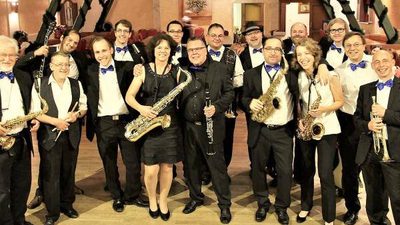
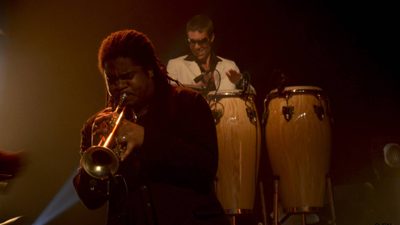
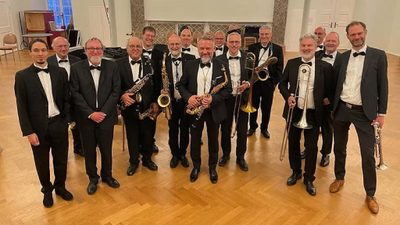

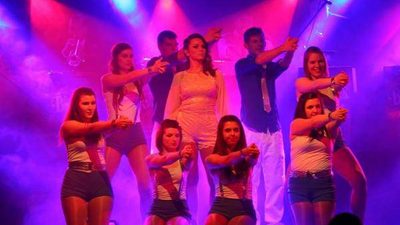
Booking the perfect artist for your event in 3 easy steps


Why Big Band music is a highlight at events
Unmistakable Sound
The unmistakable sound fills rooms and gives goosebumps.
Diverse Repertoire
Repertoire: from jazz standards to modern Big Band songs.
Live Atmosphere
A Big Band show is impressive, energetic, and unforgettable.
Looking for live music for your event?
Describe your event in a few minutes — matching artists will get back to you. Free & non-binding.
Famous Big Bands & renowned bandleaders
Historically, Big Band names like:
Duke Ellington, Count Basie, Benny Goodman, Glenn Miller
Established in Germany:
Bert Kaempfert, James Last, Max Greger, Günter Noris, Hugo Strasser, Peter Herbolzheimer
Modern stars:
Michael Bublé Big Band, Robbie Williams Swing projects, Roger Cicero Big Band, Caro Emerald
Contemporary orchestras:
Jazzrausch Big Band, Monika Roscher Big Band, NDR Big Band, HR Big Band, SWR Big Band, WDR Big Band, DR Big Band, MSL Big Band, Bundeswehr Big Band
👉 Arrangers and bandleaders like Ack van Rooyen, Jiggs Whigham, Dizzy Gillespie also shaped the development.
The Swing Era of the 30s and 40s
The swing era of the 1930s and 40s was the golden age of big bands and shaped an entire generation. Dances like the Lindy Hop and the Charleston turned the characteristic big band sound into the pop music of its time. Musicians such as Glenn Miller, Duke Ellington and Count Basie became international superstars — to this day their songs remain classics played all over the world.
This era established big bands as the ultimate entertainment format: they combined virtuoso musicianship with danceability and social elegance. The swing rhythm became the sound of an optimistic, upwardly mobile society, and it still shapes our idea of big band music today.
From classic to modern – Big Band music today
Far more than swing
While the classic big band sound of the 1930s and 1940s remains the genre's foundation, today's big bands showcase remarkable versatility. Modern ensembles move fluidly between traditional swing, Latin jazz, funk, sophisticated pop arrangements, easy listening and contemporary lounge music. This breadth allows a single formation to score an elegant champagne reception, a high-energy dance floor and a concert-style show set in the same evening.
The repertoire has expanded accordingly. Many big bands arrange current chart hits, film scores and well-known soul or rock numbers for full horn sections, giving familiar songs an orchestral depth that smaller line-ups simply cannot achieve. Audiences recognise the melody yet experience it in a fuller, more dynamic form.
Notable examples
Dizzy Gillespie was a pioneering force in the development of Latin jazz and Afro-Cuban big band music. The German Jazzrausch Bigband has won wide attention by bringing techno and club rhythms onto the grand concert stage, proving that the format keeps evolving. Touring orchestras in the tradition of Glenn Miller and Count Basie continue to fill concert halls worldwide, while countless regional big bands keep the live tradition alive at galas, festivals and corporate events. For organisers, this means a big band is rarely a museum piece — it is a flexible, crowd-pleasing ensemble that can be tailored to almost any audience and occasion.
Further facets of Big Band music
Big Bands are versatile and emerge from the interplay of many elements. The repertoire includes swing classics, jazz standards, Latin jazz, and modern pieces. Typical are elaborate arrangements and compositions shaped by experienced arrangers and bandleaders like Peter Herbolzheimer, Ack van Rooyen, Jiggs Whigham, or Dizzy Gillespie.
Famous radio ensembles like the WDR Big Band, the NDR Big Band, the HR Big Band, or the SWR Big Band are considered leading jazz orchestras in Europe. They maintain the classic Big Band sound but also develop modern Big Band projects that combine jazz with funk, contemporary classical music, or club sounds.
This keeps the classic Big Band both tradition-preserving and innovative – a sound body between jazz orchestra, concert orchestra, and entertainment show.
Many of the famous Big Bands like the SWR Big Band, the WDR Big Band in NRW, the NDR Big Band, or the HR Big Band are also known as jazz orchestras and are considered international flagship ensembles. Some even work with choirs – like in projects for orchestra and choir.
Tradition includes intensive rehearsals to perfect the unmistakable sound. Especially in the Swing Era of the 30s and 40s, elaborately written arrangements were formative for bands like Glenn Miller or Duke Ellington. Later greats like Peter Herbolzheimer, Ack van Rooyen, Jiggs Whigham, and Dizzy Gillespie have driven the development toward the modern Big Band.
Tips for organizers
Anyone booking a big band should clarify a few points early on — a big band is not a trio you can simply place anywhere. Space and stage: With typically 17 to 20 musicians plus a bandleader, a classic big band needs a wide, stable stage of around 8 to 10 metres and enough depth for the horn sections. The seating plan, music stands and any lighting should be agreed with the bandleader in advance.
Technical requirements: Big bands need a professional sound system with enough microphone channels for the horn sections (saxophones, trumpets, trombones), the rhythm section and the vocals. Clarify early on whether the band brings its own equipment or whether a rental system is provided. Programme design: classic swing repertoire (Glenn Miller, Count Basie, Duke Ellington), or modern big band material with pop or Latin influences — discuss the programme concretely with the band. At galas, a mix of elegant standards during the reception and energetic sets later in the evening often works well.
Occasions and impact: A big band is one of the most powerful visual and musical statements there is — perfect for high-end galas, anniversaries, city festivals, dance events, weddings with a vintage theme or jazz concerts. On connactz you will find big bands all across Germany.
How to book your perfect Big Band on connactz
Booking a big band is straightforward with connactz — even though the choice is wide. Go about it in three steps:
- Define style and repertoire: Should it be classic swing of the Glenn Miller era, modern big band material with Latin or funk influences, a show big band with vocal soloists, or a traditional jazz big band? The clearer you are about what you want, the faster you will find the right formation.
- Compare profiles: Watch live videos, listen to audio samples, and review setlists and references. A big band stands and falls with its rhythm section and its bandleader — try to get a clear picture of both. Also pay attention to the band's stage experience: a big band that regularly plays large stages brings more routine than a rehearsal orchestra.
- Send a request and clarify the details: Through connactz you send a request directly to the big band of your choice, settle the date, performance length, fee and technical requirements — and then conclude a binding contract. On connactz you will find big bands all across Germany.
For musicians – your Big Band profile
Do you lead a big band or are you part of a big band formation? connactz is the right platform to present your ensemble to a large number of organizers — and to open up new performance opportunities all across Germany.
How to make your profile strong:
- Live recordings are decisive. Big bands stand and fall with the sound. Upload high-quality live recordings — ideally several pieces that show different styles.
- Structure your repertoire clearly. Organizers want to know what they are booking: swing classics, modern big band material, Latin sets, show programmes, Christmas sets, soloist programmes. A clear setlist helps enormously.
- Include references. Concerts, festivals, galas, dance balls — anything that documents your stage experience builds trust.
- State the key facts clearly: line-up size, performance length, technical requirements, willingness to travel. The more transparent your profile, the better the requests.
)
)
)