
What is Carnival? – A Festival Full of Music with Bands & DJs
Origin and Music in Carnival
Ancient roots, musical from the start
The origin of carnival lies in ancient rituals that marked the end of winter and the awakening of spring. Music played a central role from the very beginning: drums, wind instruments, rattles and loud collective singing were believed to drive away evil spirits and dark forces. Noise itself was the point — the louder and more rhythmic, the more powerful the ritual was thought to be.
With Christianisation, these pre-Christian customs were absorbed into the church calendar. Carnival became the exuberant festival immediately before Lent, a final period of feasting and celebration before forty days of fasting. Songs, fanfares, marching bands and processional music gradually became firm traditions, and the festival took on the structured, music-driven form recognisable today.
Music still sets the pace
That musical core has never faded. Carnival without music is unthinkable, and every region has developed its own sound. Carnival bands and brass groups dominate the Rhineland sessions, while Guggenmusik — boisterous, deliberately raw brass ensembles — shapes the carnival of southern Germany, Switzerland and Austria. From hall sessions and guard-dance performances to street parades, it is the bands, choirs and DJs who set the rhythm of the fools' season and turn a costumed crowd into a celebrating community.
Beginning and Peak Period – Music between November 11th and Rose Monday
The season opens on November 11th
The carnival season officially begins on November 11th at 11:11 AM. The fool's number eleven is celebrated with a deliberately musical kick-off: live bands, brass groups and the first carnival hits of the new season ring in the months ahead on town squares, in halls and in carnival clubs. After this opening, the season pauses over Advent and Christmas before picking up speed again in the new year.
The genuine peak period runs through the so-called crazy days — from Fat Thursday (Weiberfastnacht) through Carnival Sunday and Rose Monday to Shrove Tuesday. During this stretch the calendar is packed with events, and music carries every single one of them.
Music carries every format
At hall sessions and prince-proclamation evenings, at least one party band or DJ keeps the room moving between the speeches and sketches. Street parades are unthinkable without marching bands and brass ensembles providing a continuous rhythmic backbone for thousands of spectators. Guard-dance and show-dance troupes march and perform to carefully chosen carnival songs and drum patterns rehearsed for months in advance. Whether it is a small neighbourhood gathering or a major Rose Monday procession, the conclusion is the same: carnival begins, peaks and ends with music — making reliable, well-rehearsed bands and DJs essential for any organiser planning the season.
The best artists for your event
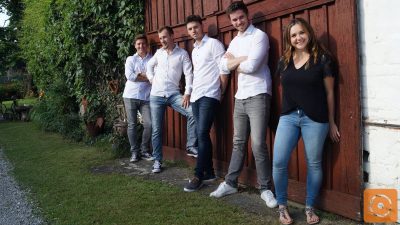

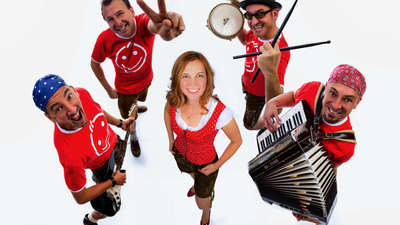
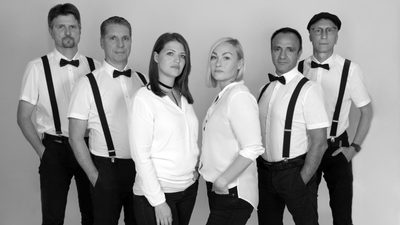
Booking the perfect artist for your event in 3 easy steps


Typical Musicians for Carnival Festivals
Depending on the size of the event, different formations fit:
Carnival band: Cover and party bands that mix hits, pop, and carnival songs.
Cologne bands: Brings, Höhner, Bläck Fööss, or Kasalla – without these artists, Cologne Carnival 2025 would be unthinkable.
DJs: Ideal for smaller carnival parties in pubs and bars, they heat up the mood with carnival hits and dance tracks.
Marching bands & Guggen bands: defining for parades, from trumpets to drums to trombones.
Club bands & brass groups: especially popular at Rose Monday parades and smaller village parades.
Costumes and Music – The Interaction
At carnival, costumes and music are inseparable. Dressing up is the most important visible ritual — from the classic clown and elaborate themed outfits to group costumes worn by whole clubs. But it is the right music that turns those costumes into a shared experience: when the favourite carnival song kicks in, costumed guests spontaneously find their way to the dance floor, snake through the hall in a polonaise, or sway along together.
The interplay becomes especially effective with group-costume performances — whether a football team, the Smurfs, an 80s show, a swarm of ladybirds or a Viking retinue. Choreographed show numbers are often part of the act here, accompanied by bands or DJs who deliver the matching themed song. Carnival bands tune their repertoire accordingly and weave typical theme songs into their sets on the spot.
At sessions and guard- and show-dance performances, music is constitutive too: dance guards and show-dance groups rehearse their choreographies for months to firmly defined pieces. The musical accompaniment has to be matched precisely to the choreography — an aspect that professional carnival DJs and session bands handle with practised ease.
Looking for live music for your event?
Describe your event in a few minutes — matching artists will get back to you. Free & non-binding.
Rituals: Music and "Kamelle"
Throwing material — "Kamelle" in the Cologne carnival, "Strüßjer" (little bouquets), or chocolate, sweets and soft toys — is traditionally handed out by music processions and carnival floats. As they go, brass bands, fife-and-drum corps and carnival bands play practically without a break: their march music and carnival songs lay the rhythmic foundation, without which a carnival procession would not work.
The interplay between music and throwing material is more than mere accompaniment. The music builds tension before the Kamelle fly — and creates the shared moment of cheering once they have been thrown. Well-known calls such as "Kamelle!" or "Alaaf!" are often chanted in time with the choruses of the carnival songs.
This ritual shapes carnival away from the big processions too: at children's sessions, neighbourhood celebrations and hall sessions, dance majorettes, prince-and-princess pairs and dance groups throw sweets into the audience — always accompanied musically by carnival bands or DJs who set the pace of the evening.
Regional Differences
Every region has its own sound
Carnival is celebrated very differently across the German-speaking world, and the musical style changes with it. Anyone planning an event should know the regional traditions, because the right band makes the difference between a generic party and an authentic celebration.
The Cologne carnival is strongly shaped by local musicians and dedicated carnival bands. Anthems such as "Viva Colonia" or "Drink doch eene met" are classics that every guest knows by heart, and Cologne bands like Höhner, Brings or Kasalla define the sound of the Rhineland session. In Mainz and Düsseldorf, the focus lies on classic hall sessions accompanied by brass bands and dance music, with a strong tradition of satirical speeches between the musical numbers.
From Fasching to the Carnival of Cultures
In Bavaria and Austria, the festival is known as Fasching and tends towards folk music and dance bands performing in inns and village halls, often with a cosier, more traditional atmosphere. A modern counterpoint is set by Berlin's Carnival of Cultures, where international musicians, percussion ensembles, world music and DJs create a vibrant, multicultural street festival. For organisers this regional diversity is an advantage: it means the musical line-up can be matched precisely to local expectations and the character of the event.
Costs for Musicians at Carnival
The cost of musicians at carnival depends heavily on the format, the line-up size and the region. A rough orientation for organizers:
- DJ for a carnival party: around €400 to €800, depending on experience, the extent of equipment and the performance length. Carnival DJs should command a broad repertoire of current party hits, carnival classics and Schlager.
- Small band or cover band: roughly €800 to €1,500 for compact line-ups that cover carnival songs, Schlager and party hits. Ideal for medium-sized halls and club celebrations.
- Carnival band with 5 to 6 musicians: from about €2,000, often with a horn section, lead vocals, dance numbers and a carnival repertoire ranging from Cologne classics to the latest theme song. Bands like this carry larger sessions and balls.
- Brass bands and fife-and-drum corps: frequently organized through local club structures. Instead of standard fees, expense allowances for travel, catering and materials are usually agreed — typically in the range of €200 to €500 per performance.
Important: plan carnival acts early. In the high season (Weiberfastnacht to Ash Wednesday), popular carnival bands are booked up a year in advance. On connactz you will find carnival bands and DJs all across Germany.
Popular searches for Carneval
Other line-ups are in demand too, such as Carneval Band, Carneval DJ, Carneval Duo and Carneval Singer.
)
)
)