
Volksmusik – A Living Tradition with Heart and Soul
History & Development of Volksmusik Music
Roots
The origins of Volksmusik reach far back into history. It emerged in farming and rural communities where music played an important role in festivals, rituals, and everyday life. Originally, it was passed down orally, as there was no musical notation and many people were illiterate.
The songs and melodies reflected life in the countryside, from work in the fields to religious festivals. Over time, regional styles developed, characterized by different instrumentations and rhythms, such as Alpine Volksmusik or South Tyrolean Volksmusik.
Important Decades
In the 19th and 20th centuries, Volksmusik experienced its first heyday when it became accessible to a broader audience through the advent of records and radio. Especially in the 1950s and 1960s, Volksmusik became popular through radio stations like Radio Paloma Volksmusik or Volksmusik TV.
In the 1970s, there was a mixing with Schlager music, which gave rise to new variants known as Schlager Volksmusik. At the same time, a conscious return to traditional sounds began to preserve "genuine Volksmusik" and protect it against commercialization.
Regional Influences
Volksmusik is strongly influenced by regional factors. Thus, Volksmusik from South Tyrol differs significantly from Bavarian Volksmusik or Austrian Volksmusik. Each region has its own instruments, melodies, and traditions.
For example, the Kastelruther Spatzen are a well-known example of South Tyrolean Volksmusik, often referred to as "heart music". In Bavaria, brass music and zither music dominate, while in Austria, yodeling and the Styrian accordion also play a major role.
Influence on/from Other Genres
Over time, Volksmusik has absorbed numerous influences and also influenced other music styles. This gave rise to hybrid forms such as rocky Volksmusik bands or the combination of Schlager and Volksmusik. These modern interpretations appeal especially to younger target groups.
On the other hand, Volksmusik has also absorbed influences from other cultures, such as Irish Volksmusik or Russian Volksmusik. This diversity makes Volksmusik a living and dynamic genre that combines tradition and innovation.
Variants & Subgenres of Volksmusik Music
Traditional Volksmusik
Traditional Volksmusik encompasses the original, unchanged songs and melodies that have been played in the regions for centuries. This music is mostly instrumental or with simple vocals and is often performed at festivals and in traditional costume clubs.
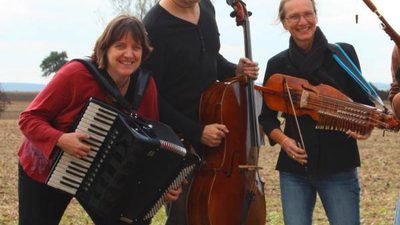
Typical instruments are the zither, accordion, violin, and clarinet. Traditional Volksmusik is closely linked to customs and festivals and is considered an expression of cultural identity.
Popular Music
Popular music is a modernized form of Volksmusik that is often combined with Schlager elements. It is more commercialized and is frequently played on radio or television, for example on Volksmusik TV programs or on special Volksmusik Radio stations.
This variant is more catchy and accessible to a broader audience but sometimes loses the authentic character of traditional music. Nevertheless, popular music enjoys great popularity, especially among older listeners.
Modern Volksmusik and Fusion
In recent years, numerous modern bands and artists have established themselves who combine traditional Volksmusik with rock, pop, or even electronic elements. This modern Volksmusik band scene appeals especially to younger people and brings fresh air to the genre.
Examples are rocky Volksmusik bands that reinterpret traditional melodies with electric guitars and drums. The use of platforms like Volksmusik on YouTube or streaming services also enables greater reach and new forms of presentation.
Influence of Subgenres
The diversity of subgenres enriches Volksmusik and ensures a lively scene. Traditional and modern elements often exist side by side and complement each other. This promotes the further development of the genre and secures its future.
Moreover, the various subgenres offer possibilities for different occasions, from festive events to concerts with modern sounds. Thus, Volksmusik remains relevant and attractive to a broad audience.
The best artists for your event




Booking the perfect artist for your event in 3 easy steps


Famous Volksmusik Musicians, Singers and Bands
Artist 1
Stefan Mross is one of the best-known singers of Volksmusik, who has shaped the genre for decades with his likeable manner and clear voice. He combines traditional sounds with modern elements and regularly appears on Volksmusik TV.
His songs and performances thrill both older and younger fans and help keep German Volksmusik alive.
Artist 2
Another outstanding personality is the singer Volksmusik Stefanie Hertel. She has secured a firm place in the scene through her clear voice and authentic charisma. Her music encompasses both traditional and popular pieces.
Stefanie Hertel is an example of the connection between tradition and modernity in Volksmusik and shows how diverse the genre can be.
Bands
The Kastelruther Spatzen are one of the best-known Volksmusik bands from South Tyrol and are considered ambassadors of South Tyrolean Volksmusik. With their unmistakable sound and catchy melodies, they have numerous fans throughout Europe.
The Zillertaler Volksmusik and other Alpine bands also significantly shape the image of Volksmusik from Bavaria and Austria.
Other Acts
In addition to the big names, there are many other Volksmusik musicians and groups who are regionally known and enrich the scene. The diversity ranges from traditional brass bands to modern formations that are breaking new ground.
These artists contribute to ensuring that Volksmusik is not only preserved but also further developed.
Why a Volksmusik Band is a Good Choice
A Volksmusik band brings tradition, a sense of home and good cheer to your event — and that is exactly what makes it so popular for a great many occasions in Germany, Austria and Switzerland. The typical line-up with accordion or Styrian button accordion, clarinet, trumpet, tuba, hammered dulcimer or guitar — close to a classic wind ensemble — is instantly recognizable as "Volksmusik" — and creates an atmosphere that all generations can experience together.
For organizers, a Volksmusik band is the obvious choice for traditional-costume festivals, fairground festivals, alpine cattle drives, Oktoberfest events, milestone birthdays, weddings with a traditional connection, village festivals and folk evenings. In a corporate context, too, Volksmusik works well when the event deliberately emphasizes regional identity — for instance at the summer party of a locally rooted mid-sized company, or at a "Bavarian evening" for international guests.
When making your choice, it is worth looking at the repertoire profile: some bands play classic Volksmusik with polkas, waltzes and marches, while others mix folk material with party hits, Schlager and party classics. On connactz you will find Volksmusik bands all across Germany — audio samples and live videos show you straight away which style suits your event.
Volksmusik Today – Modern Bands, Singers & Media
Current Artists
Today's Volksmusik scene is lively and diverse. In addition to traditional artists, there are many young singers and bands who reinterpret the genre. They use modern media and platforms to spread their music and gain new fans.
Artists like DJ Ötzi or Andreas Gabalier combine Volksmusik with pop and rock elements and thus reach a broad audience. This development shows that Volksmusik remains relevant in the 21st century.
Bands in Europe / Worldwide
Not only in Germany, Austria, and South Tyrol, but also in other European countries and worldwide, there are lively Volksmusik traditions. Irish Volksmusik, Greek Volksmusik, or Russian Volksmusik enjoy great popularity.
Many bands and musicians exchange internationally and bring their music to festivals and concert halls. This networking promotes cultural exchange and the further development of Volksmusik.
Streaming & YouTube
With the advent of streaming services and platforms like YouTube Volksmusik, the distribution of Volksmusik has changed significantly. Fans can now listen to Volksmusik for free or watch videos at any time, which enormously increases reach.
These digital possibilities also provide a stage for young artists and enable traditional music to be reinterpreted and made accessible to a global audience.
Volksmusik for Events & Booking a Volksmusik Band
Weddings
A Volksmusik Band is an excellent choice for weddings, especially when a traditional or rural ambiance is desired. The music creates a warm atmosphere and invites dancing and singing along.
Many couples appreciate the authentic sounds and the connection to home that a Volksmusik band brings to their celebration.
Corporate Events / Galas
At carnival sessions or galas, Volksmusik can also create a special mood. It brings a personal touch and stands out from usual music programs. Especially in regions with strong traditions, Volksmusik is often used to show connection and regionality.
Professional Volksmusik bands adapt their program individually and provide entertainment at a high level.
Festivals / Summer Festivals
At fairground festivals and city festivals, Volksmusik is often a highlight. It encourages celebration and dancing and brings people of all ages together. The combination of traditional and modern pieces makes the genre particularly versatile.
Many organizers consciously rely on Volksmusik to offer an authentic and atmospheric program.
How to Book a Volksmusik Band
The easiest way is to compare Volksmusik bands directly on connactz. Find out about the repertoire, lineup, and technical requirements of the band.
Many bands offer flexible programs for various occasions. Contact event agencies or use online platforms to find the right Volksmusik Band for your event.
Costs & Planning for a Volksmusik Band
Price Factors
The costs for a Volksmusik Band vary depending on the size of the lineup, fame of the musicians, and duration of the performance. Travel distances and technical requirements also play a role.
A small traditional formation is usually cheaper than a large band with modern technology. Clear agreements in advance help avoid surprises.
Budget Examples
For a small Volksmusik Band, prices can start at around 500 euros, while larger bands or well-known artists charge significantly higher fees. For an event with several hours of music, one should plan accordingly more.
It is worth comparing offers and paying attention to quality and experience of the musicians to guarantee a successful event.
Band vs. DJ
Compared to a DJ, a Volksmusik Band offers a lively, authentic atmosphere with direct contact with the audience. Live music creates a special mood that is difficult to replace with a DJ.
However, a band is usually more expensive and requires more space and technology. The decision depends on individual needs and budget.
Looking for live music for your event?
Describe your event in a few minutes — matching artists will get back to you. Free & non-binding.
Popular searches for Folk Music
Smaller line-ups are popular too, such as Folk Music Band and Folk Music Duo.
)
)
)