
Folk Festival – Music, Bands and Artists for the Big Festival in Town
What is a Folk Festival?
A folk festival is a traditional festival celebrated annually in cities or communities. A difference to a concert: While at concerts attention is solely on the band, at folk festivals celebrating the community is in the foreground. Music runs continuously: from traditional bands in the afternoon to party bands and DJs in the late evening.
Frequently asked questions:
What is a folk festival? → A traditional festival with market stalls, rides, and above all live music.
What is the largest folk festival in Germany? → Oktoberfest in Munich, followed by Cannstatter Volksfest and Gäubodenvolksfest.
Which is the largest folk festival in the world? → Also Oktoberfest Munich.
When is a Folk Festival? – Dates, Beginning and Duration
Many visitors search specifically: When does the folk festival begin? When does the folk festival start?
Folk festivals usually start in spring or late summer, sometimes introduced by parade processions or barrel tapping.
Example dates:
Cannstatter Volksfest Stuttgart 2024: End of September to beginning of October
Volksfest Nürnberg 2024 & 2025: Late summer on the Dutzendteich grounds
Karpfhamer Volksfest, Pfaffenhofener Volksfest, Dachauer Volksfest: Late summer highlights in Bavaria
German-American Folk Festival Grafenwöhr: varying summer dates
How long does a folk festival last?
small festival grounds: approx. 2–4 days
large ones like Cannstatter or Nürnberg folk festivals: 10–17 days
The best artists for your event
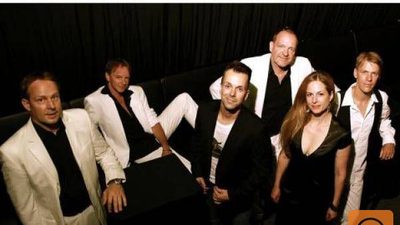
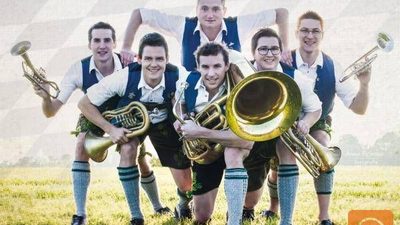
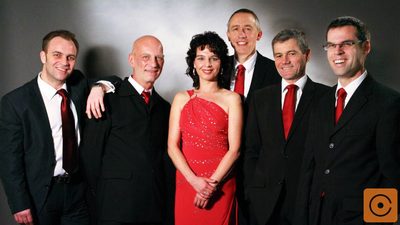

Booking the perfect artist for your event in 3 easy steps


Music at Folk Festivals – Lineups and Genres
The musical diversity makes every folk festival special. Typical lineups are:
Brass Bands & Music Associations: open folk festivals, play afternoon programs.
Cover & Party Bands: main acts in the evening, make the festival tent shake.
Rock and Pop Bands: for younger audiences, often as evening highlights.
DJs: supplement the program for late hours.
Orchestras & Traditional Music Groups: shape flag consecrations, anniversaries, or church integrations.
👉 Which music styles fit?
Traditional: Brass music, schlager, folk songs
Modern: Pop, rock, charts, EDM
Cult: Cabaret with music, comedy with live music
Folk Festival vs. Concert – Differences and Opportunities
Two very different music formats
A concert and a folk festival are easy to confuse, yet musically they work in opposite ways. A concert focuses entirely on the performance of one act: the audience comes specifically for that band, and the music is the sole centre of attention from start to finish. A folk festival, by contrast, lives from variety. Here the music is one of several attractions alongside rides, food stalls, processions and social gatherings.
Music in blocks across the day
At a folk festival, music is typically played in blocks, interrupted by programme points, parades or show interludes rather than running as one continuous set. Several bands often perform across a single day, and the style is matched to the time of day: brass music creates a cheerful afternoon mood, rock and pop bands raise the energy in the evening, and a DJ often carries the celebration into the night. This rhythm keeps the festival accessible to families during the day and lively for a younger crowd later on.
Opportunities for organisers and artists
This structural difference creates real opportunities. Unlike a concert, where only an established headliner can fill the room, a folk festival can give lesser-known and regional bands a stage in front of a large, mixed audience that has come for the overall experience. For organisers, this means flexible programming and a varied line-up; for emerging artists, it offers valuable exposure and stage practice in front of a broad public.
Folk Festivals as Stage for Support Acts and Emerging Bands
The role of the support act
A particularly valuable musical element of any folk festival is the support act, also known as the opening band. Their task is to open the evening, warm up the crowd and build anticipation before the main act takes the stage. A good support act sets the tone, fills the area early and ensures the headliner steps in front of an audience that is already in a celebratory mood.
A springboard for emerging bands
For young and up-and-coming artists, the folk festival is one of the most important springboards into the public eye. It offers something a small club rarely can: a large, broad and curious audience, a proper stage and professional sound. Many bands that are highly successful today played some of their first appearances on folk festival and fairground stages, gaining the live experience and confidence that later careers are built on. For organisers, booking emerging acts as openers is also a cost-effective way to fill the early programme with fresh, energetic rock and pop music.
Variety for every generation
The folk festival stage is not limited to bands alone. Musical cabaret, comedy with songs, solo entertainers and small unplugged formations all fit naturally into the programme and broaden its appeal. This deliberate variety is what makes a folk festival attractive across all generations — there is something on stage for children, families, young adults and older visitors alike, keeping the whole event lively from afternoon to late night.
Regional Folk Festivals and Their Musical Diversity
Volksfest Nürnberg 2025: Party bands, DJs, and regional artists.
Volksfest Heilbronn, Schweinfurt, Aschaffenburg: Local bands as showcases.
Cannstatter Volksfest Stuttgart: international bands in tent program.
Gäuboden-Volksfest: Brass music + top bands from Bavaria.
German-American Folk Festival Grafenwöhr, German-French Folk Festival: international music mixes.
Folk festivals nearby: For many visitors, the search is locally oriented – "Volksfest Aschaffenburg 2025", "Volksfest in Ulm", "Volksfest Crailsheim 2024".
Costs for Musicians at Folk Festivals
The music costs for a fairground festival depend heavily on the size, the number of stages and the desired musical variety. A rough orientation for organizers in Germany:
- Brass bands and music clubs: €500 to €1,000 per performance, depending on the line-up size and the journey. For morning-pint gatherings, open-air concerts and procession accompaniment they are the classic first choice.
- Cover or party bands: €1,200 to €3,000 per evening. Bands like this carry the main evening, get the dance floor going and come with an established repertoire of Schlager, party hits and chart classics.
- DJs: €400 to €1,000 per evening, often with their own equipment (sound and lighting). A flexible choice for late dancing hours and multi-day fairground festivals.
- Rock or pop headliners with a support act: from €2,500 to €5,000, and more for regionally well-known bands or larger acts. At big fairground festivals (Oktoberfest, Cannstatter Volksfest, Hamburger Dom), five-figure fees are common too.
- Show band or big band for the festive opening: €1,500 to €4,000, depending on size and show value.
Large city fairground festivals book several bands in series across several days and stages. For small fairground festivals, a band in the afternoon and a party band in the evening is often enough. In the high season (May to September, plus October for the Oktoberfest season), allow at least 6 to 9 months of lead time — and a year for headliners and regionally well-known bands.
Looking for live music for your event?
Describe your event in a few minutes — matching artists will get back to you. Free & non-binding.
Popular searches for Fairground
People frequently search for Fairground bands in Bayern and Fairground bands in Baden-Württemberg.
Other line-ups are in demand too, such as Fairground Band, Fairground DJ, Fairground Duo, Fairground Singer and Fairground Soloist.
)
)
)