
Dance Music – The Pulsating Force of Modern Dance Culture
What Exactly is Dance?
The Term Dance
The term dance refers to a music style specifically designed for dancing. Originally, the word comes from English and simply means "dance". In a musical context, it describes a variety of styles that are rhythmically and melodically designed to invite movement.
In German usage, dance music is often used synonymously with dance music, with dance emphasizing the electronic component. Dance is thus not only a genre but a cultural phenomenon that connects people worldwide.
What Does Dance Mean in English?
In English, "dance" literally means "to dance". In the music scene, however, the term has established itself as a genre that combines electronic sounds with driving rhythms. Dance is thus more than just movement – it is expression and energy conveyed through music.
The English term encompasses a wide range of styles, from classic disco to modern electronic dance music (EDM). This diversity shows how dynamic and changeable dance music is.
What is Dance Music? / How Does It Sound?
Dance music is characterized by a steady, often 4/4 beat that sets the pulse for dancing. Typical are electronic sounds, synthesizers, drum machines, and often catchy vocals. The music is designed to promote energy and movement.
The sound of dance is versatile: from melodic and euphoric to dark and driving. Modern electronic dance music, also known as EDM, often relies on big drops and intense builds that create highlights on the dance floor.
Emotional Aspects of Dance
In addition to the physical movement stimulus, dance music has a strong emotional effect. It can create feelings of happiness, euphoria, and a sense of community. The repetitive structure helps to get into a flow state that many people find liberating.
The lyrics and melodies also contribute to the mood: They range from motivating and positive to melancholic and thoughtful. This makes dance appeal to a broad spectrum of emotions and is the perfect musical accompaniment for many occasions.
History & Development of Dance Music
Roots
The roots of dance music lie in the 1970s with the emergence of disco. This music was the soundtrack of dance floors in clubs and discotheques, characterized by funky basslines and groovy rhythms. Disco laid the foundation for electronic dance music.
In parallel, electronic instruments such as synthesizers and drum machines developed, which made it possible to create new sound worlds. This technology was crucial for the later development of house, techno, and other dance subgenres.
Important Decades
In the 1980s, electronic dance music began its triumphant march: House from Chicago, techno from Detroit, and later trance and drum & bass shaped the scene. The 1990s brought an explosion of subgenres and worldwide distribution of dance music.
The new millennium marked another peak with EDM. Large festivals, international DJs, and producers made dance a global phenomenon. The music became more commercial but retained its roots in the club and on the dance floor.
Regional Influences
Various regions have significantly influenced the development of dance music. Chicago is considered the birthplace of house, Detroit for techno, Ibiza as the European mecca for electronic dance music. In Europe, many own styles such as Eurodance and hardstyle also emerged.
The dance scene is also growing rapidly in Asia and South America. Local influences flow into the music, creating a colorful variety of styles that are heard and celebrated worldwide.
Influence on/from Other Genres
Dance music has influenced many other music styles and has itself been shaped by them. Pop, hip-hop, and even rock today often integrate elements of electronic dance music to create danceable beats.
Conversely, dance has benefited from funk, soul, and disco. These genres provided the rhythmic and melodic foundations on which electronic dance music builds. This created a constant exchange that keeps the music alive and innovative.
The best artists for your event
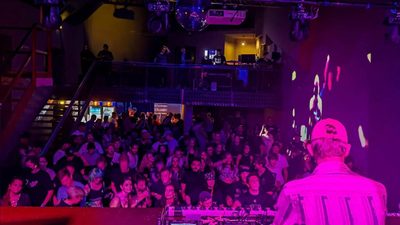



Booking the perfect artist for your event in 3 easy steps


Variants & Subgenres of Dance Music
House - The Foundation of Electronic Dance Music
House is one of the oldest and most popular subgenres of dance music. Characteristic are the 4/4 beat, warm basslines, and often soulful vocals. House music is versatile and ranges from deep house to progressive house, each with its own distinctive style and tempo.
House has shaped the club scene worldwide and is the basis of many modern electronic dance music styles. Its catchy melodies and danceable groove make it a perennial favorite at festivals and clubs around the globe.
Techno - Powerful Electronic Beats
Techno is a powerful, mostly instrumental subgenre that originated in Detroit. It is characterized by repetitive rhythms, futuristic sounds, and an often dark atmosphere. Techno is particularly popular in club culture and at large festivals.
The music is less melodic than house, but energetic and hypnotic. Techno has spawned many variations, including minimal techno, acid techno, and industrial techno, each creating its own distinctive sound worlds.
EDM (Electronic Dance Music)
EDM is an umbrella term for modern electronic dance music that is often very commercial and festival-oriented. It includes styles such as big room, dubstep, and trap. EDM is characterized by big drops, strong bass, and catchy hooks that create explosive moments on the dance floor.
In recent years, EDM has strongly influenced mainstream music and further increased the popularity of dance worldwide. Many well-known DJs and producers are now global stars who inspire millions of fans across continents.
Influence of Various Dance Subgenres
The diversity of subgenres enormously enriches dance music. Each style brings its own emotions, rhythms, and sounds that appeal to different target groups and create unique atmospheres. This diversity ensures that dance is constantly reinvented and continuously developed.
Moreover, the subgenres influence each other, leading to exciting hybrid forms and innovative combinations. This keeps dance music dynamic and relevant, whether on the dance floor or on the radio.
Famous Dance Musicians, Singers and Bands
Artist 1: David Guetta
David Guetta is one of the best-known DJs and producers of dance music. His hits have significantly shaped the EDM scene and made it known worldwide. With collaborations with pop stars, he brings dance music into the mainstream.
His energetic sets and productions are a guarantee for packed dance floors and euphoric mood at festivals and clubs.
Artist 2: Calvin Harris
Calvin Harris is another superstar of electronic dance music. His productions combine catchy melodies with danceable beats and have achieved numerous chart successes. He is known for his style that combines house, EDM, and pop.
His songs are frequently played at large festivals and are a fixed part of the modern dance music scene.
Bands
In addition to solo DJs, there are also bands that perform dance music live. Groups like "Depeche Mode" or "The Chemical Brothers" integrate electronic beats with live instruments, creating a unique experience.
Such bands combine the energy of electronic dance music with the dynamics of a live performance and thus thrill a broad audience.
Other Acts
In addition to the big names, there are many talented artists and newcomers who enrich the scene. DJs like Tiësto, Armin van Buuren, or Marshmello are just some examples who shape the dance world with their productions and live sets.
These artists contribute to dance music constantly receiving new impulses and developing further.
Why a Dance Band is a Good Choice
A dance band brings together the best of two worlds: the driving energy of current dance hits and the live impact of real musicians on stage. Where a classic DJ plays tracks, dance bands add drums, bass, guitar, keys and a lead singer — often complemented by saxophone, trumpet or percussion. The result is a performance with visual force and a sound that goes far beyond what a purely recorded set can deliver.
For organizers, a dance band is the ideal choice when the dance floor is meant to be the main point of the evening: large weddings, corporate parties with a dancing mood, galas with a younger crowd, club festivals or summer parties with a party character. The repertoire typically ranges from 90s and 2000s dance classics through chart hits to current electro-pop and EDM numbers, often reinterpreted in the band's own arrangement.
When making your choice, pay attention to the mix of cover hits and show elements: some dance bands rely heavily on choreography and dance numbers, while others concentrate on the musical core. On connactz you will find dance bands all across Germany with live videos and audio samples — perfect for experiencing the energy of each show yourself before booking.
Dance Today – Modern Bands, Singers & Media
Current Artists
Today's dance scene is characterized by a mix of experienced stars and young talents. Artists like Martin Garrix or Zedd rely on modern electronic dance music and reach millions of fans worldwide. They experiment with new sounds and merge genres.
Singers who collaborate with DJs also shape the genre and bring emotional depth to the tracks. This keeps dance music fresh and varied.
Bands in Europe / Worldwide
In Europe, there is a vibrant dance scene with many bands and DJs who are internationally successful. Countries like Germany, the Netherlands, and Great Britain are hotspots for electronic dance music. Worldwide, new festivals and events are constantly emerging that promote the scene.
This global networking ensures that dance music quickly picks up and spreads trends, which promotes diversity and innovation.
Streaming & YouTube
Digital platforms like Spotify, Apple Music, and YouTube are now central channels for the distribution of dance music. Streaming enables artists to reach a worldwide audience and supply fans with new music at any time.
YouTube channels and live streams of festivals bring dance culture directly into the living room and make dance music more accessible than ever.
Dance for Events & Booking a Dance Band
Weddings with Electronic Energy
At weddings, dance music creates a festive mood and brings guests of all ages to the dance floor. A dance band can provide live driving beats here and make the evening truly unforgettable.
The flexibility of the band allows responding to specific wishes and playing various styles from classic to modern, so there is something for every taste and the dance floor never stays empty.
Corporate Events and Galas
Dance music is also a popular choice at corporate events and galas to loosen the atmosphere and provide dynamic entertainment. Live bands offer a professional performance here that enhances the event and sustainably thrills the guests.
The combination of electronic beats and live performance creates a special dynamic that is well received by both business customers and employees, creating a modern, contemporary atmosphere.
Festivals and Summer Festivals
Festivals are the pulsating heart of the dance scene. Here, fans, artists, and DJs meet to celebrate together and discover new music. A dance band at a festival provides an authentic experience and captivates the audience with its infectious energy.
Summer parties also benefit from the contagious energy of dance music, which creates good mood and spontaneous movement, connecting people of all ages.
How to Book a Dance Band
The easiest way is to compare dance bands directly on connactz. It is important to plan in time and coordinate details such as lineup, set length, and technical equipment precisely.
A personal conversation helps find the right band for the specific occasion and ensures that everything fits musically perfectly. This guarantees your event will be an unforgettable success.
Costs & Planning for a Dance Band
Price Factors
The costs for a professional dance band vary depending on the size of the band, duration of the performance, travel, and technology needs. Larger bands and well-known artists demand higher fees, while newcomers are often cheaper.
The location and timing of the event also play a role. Early planning can help save costs and find the best band at the best price.
Budget Examples
For a small dance band with 3-4 musicians, costs can range from about 1,000 to 3,000 euros, depending on the region and requirements. Larger formations and well-known acts can be significantly more expensive, often in the range of 5,000 to 15,000 euros or more.
It is worth obtaining various quotes and carefully comparing services to get the best price-performance ratio.
Band vs. DJ
The decision between a dance band and a DJ depends on personal preferences and the occasion. A band offers live-played music with more dynamics and interaction, while a DJ offers a larger music selection and seamless transitions.
Many events today combine both to enjoy the best of both worlds. However, for a particularly lively and authentic experience, a professional dance band is often the better choice.
Looking for live music for your event?
Describe your event in a few minutes — matching artists will get back to you. Free & non-binding.
Popular searches for Dance
Smaller line-ups are popular too, such as Dance Band.
)
)
)